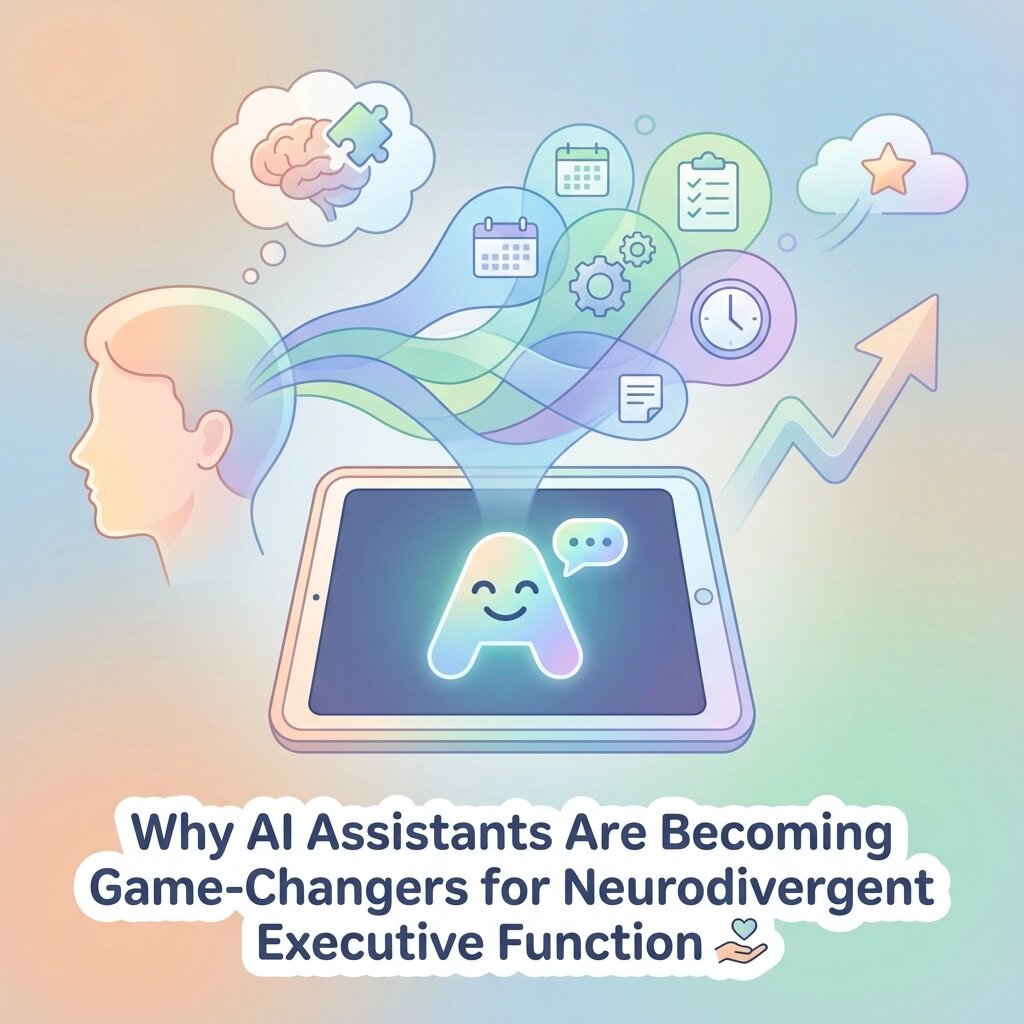
Let’s be real for a second, if you’re neurodivergent, you’ve probably had that moment where someone tells you to “just use a planner” or “set more reminders.” And you’re thinking, if only it were that simple.
Here’s the thing: traditional productivity advice wasn’t built with neurodivergent brains in mind. But something pretty exciting is happening right now. AI assistants are stepping in where those old-school systems fail, and they’re actually getting it right.
The Executive Function Struggle Is Real
Before we dive into the good stuff, let’s acknowledge what we’re dealing with. Executive function challenges aren’t just about being “disorganized” or “forgetful.” For many of us with ADHD, autism, or learning disabilities, it’s about:
-
Prioritizing tasks when everything feels equally urgent (or equally impossible)
-
Breaking down big projects that seem overwhelming and shapeless
-
Remembering to start things even when we know they’re important
-
Managing time when our brains don’t always process it the same way
-
Switching between tasks without losing our entire train of thought
Sound familiar? Yeah, we thought so.
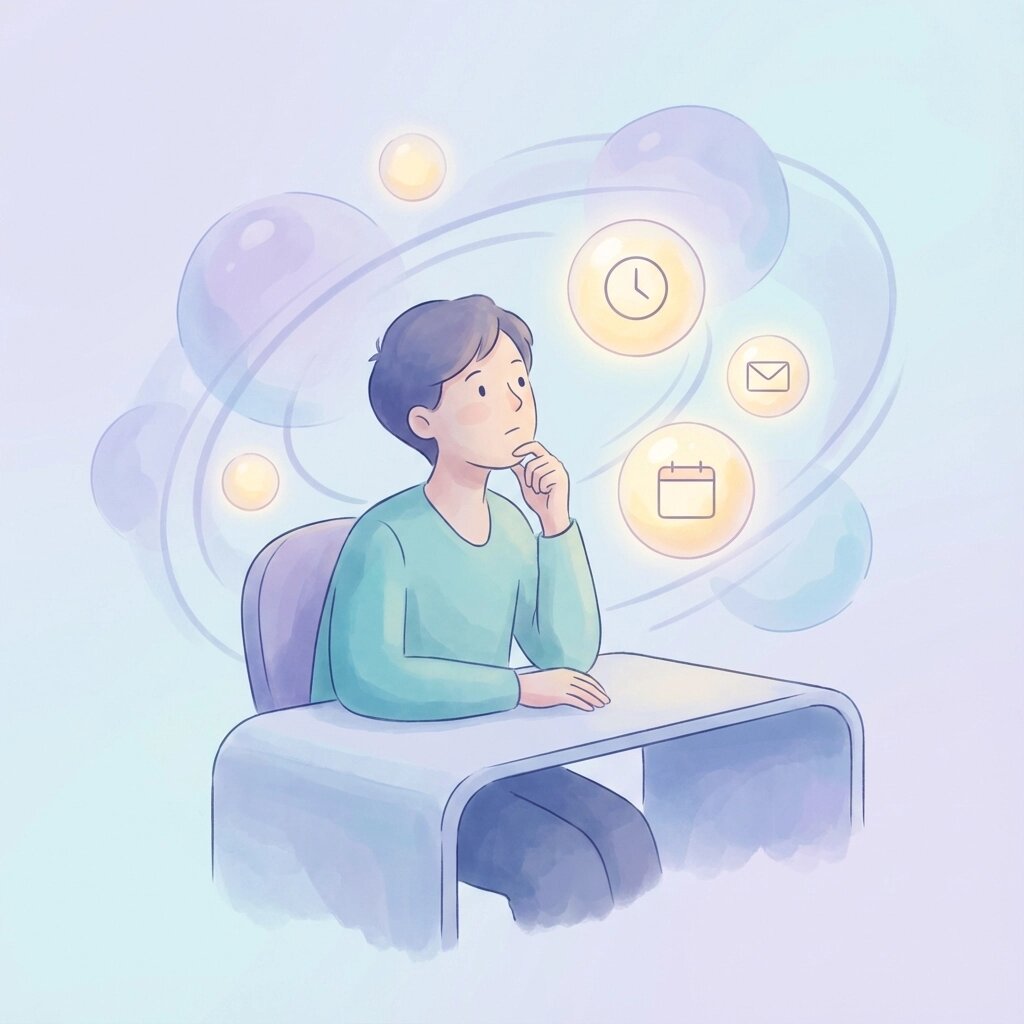
Enter AI: Your Non-Judgmental Brain Buddy
Here’s where AI assistants are changing the game. Unlike traditional tools that expect your brain to work a certain way, AI adapts to how your brain actually works. No judgment, no “you should just try harder”: just practical support that meets you where you are.
Dynamic Task Prioritization
Ever stare at your to-do list and feel paralyzed because you can’t figure out what to tackle first? AI assistants can analyze your tasks, deadlines, and even your energy levels to suggest what you should focus on right now. No more decision fatigue at 9 AM.
One user told us they ask their AI assistant: “I have three hours and medium energy today. What should I work on?” The AI considers their deadlines, the complexity of tasks, and even the time of day to give personalized recommendations.
Breaking Down the Overwhelming Stuff
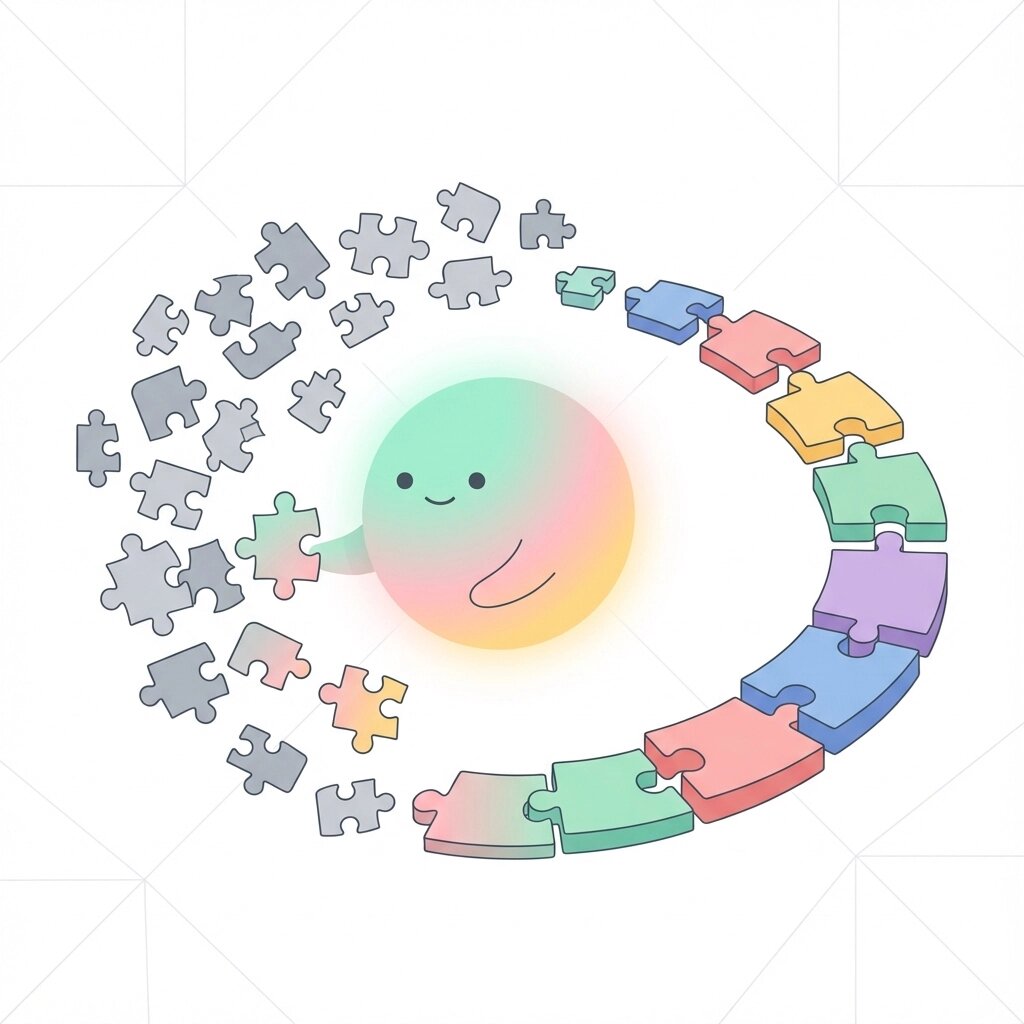
Those big, scary projects that make your brain shut down? AI excels at breaking them into ADHD-friendly steps. Instead of “write quarterly report,” you get:
-
Gather data from last three months (15 minutes)
-
Create outline with main points (20 minutes)
-
Write introduction paragraph (10 minutes)
-
And so on…
Each step feels manageable, and you get that dopamine hit from checking things off more frequently.
Just-in-Time Reminders
Traditional reminders often come too early (and get ignored) or too late (panic mode activated). AI assistants are getting smarter about context-aware reminders. They can learn your patterns and remind you to leave for an appointment based on current traffic, or nudge you to start a task when you typically have the most focus.
It’s Not Just About Compensation: It’s About Amplification
Here’s what makes AI different from other “helpful” tools: it doesn’t just try to fix what’s “wrong” with neurodivergent brains. Instead, it handles the routine cognitive stuff so you can focus on what you’re naturally great at.
Think about it: when you’re not spending mental energy trying to remember everything or figure out priorities, you have more bandwidth for:
-
Creative problem-solving
-
Deep focus on interesting projects
-
Pattern recognition and innovative thinking
-
The specialized knowledge you’ve developed
AI becomes like having a personal assistant for your brain’s administrative tasks, freeing you up to do the work that energizes you.
Making Accommodations Actually Accessible
Let’s talk about workplace accommodations for a second. Traditionally, getting support meant:
-
Formal disclosure processes
-
Expensive assistive technology
-
Training colleagues on how to work with you
-
Often feeling like you’re asking for “special treatment”
AI is democratizing accommodations. You can have:
-
Voice-to-text that works seamlessly across all your devices
-
AI meeting summaries when audio processing is challenging
-
Communication assistants that help translate between neurodivergent and neurotypical communication styles
-
Sensory-friendly interfaces that reduce overwhelm
The best part? These tools work in the background. You get the support you need without having to explain yourself to anyone.
Real Talk: Communication Gets Easier
If you’re autistic or have social communication differences, AI can be a bridge. Some assistants can help:
-
Interpret tone in emails and messages
-
Suggest phrasing for difficult conversations
-
Draft responses that match the appropriate professional tone
-
Prepare for meetings by anticipating questions and discussion points
It’s not about changing who you are: it’s about having support to communicate effectively in neurotypical-dominated spaces.
The Sensory-Friendly Factor
Many AI assistants now offer features specifically helpful for sensory processing differences:
-
Voice control so you don’t have to deal with screens during overwhelm
-
Custom notification settings that respect your sensory needs
-
Text-to-speech with adjustable speed and voice options
-
Visual simplification tools that reduce cluttered interfaces
Managing the Mental Load
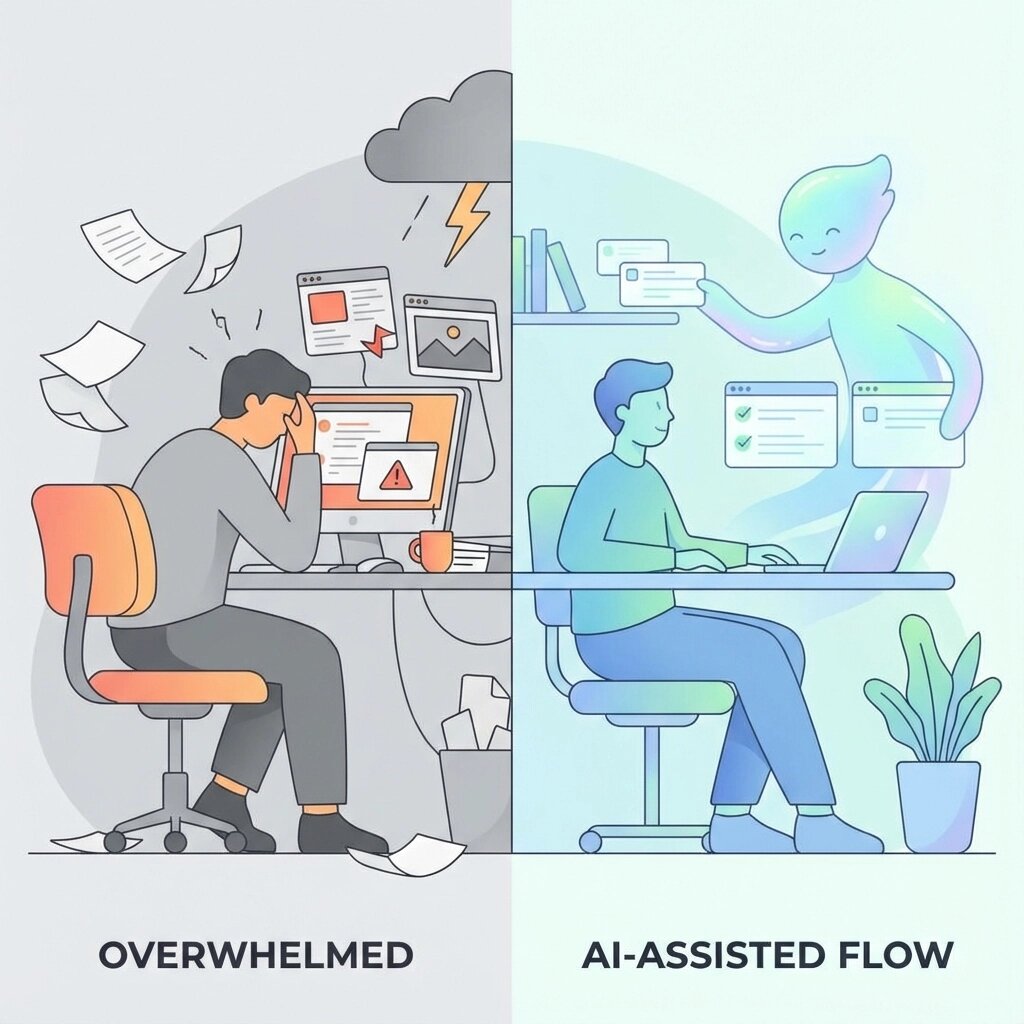
Here’s something people don’t always talk about: the emotional exhaustion that comes with executive function challenges. The constant worry about forgetting something important, the shame around being “disorganized,” the mental energy spent trying to function like a neurotypical brain.
AI assistants help reduce this mental load by:
-
Providing consistent external structure without human judgment
-
Offering gentle accountability through check-ins and progress tracking
-
Reducing the cognitive burden of remembering everything yourself
-
Building confidence as you start hitting your goals more consistently
The Community Connection
Some AI tools are even helping neurodivergent people find community and support. They can:
-
Connect you with others who share similar challenges
-
Suggest local or online communities where you might find understanding
-
Help you articulate your experiences when seeking support
What This Means for Mental Health
When your external tools start working with your brain instead of against it, something shifts. You begin to see that the problem wasn’t you: it was the mismatch between your needs and the available tools.
Many people report:
-
Reduced anxiety around forgetting important tasks
-
Increased confidence in professional settings
-
Better work-life balance when systems actually work
-
Less masking fatigue when accommodations are built-in
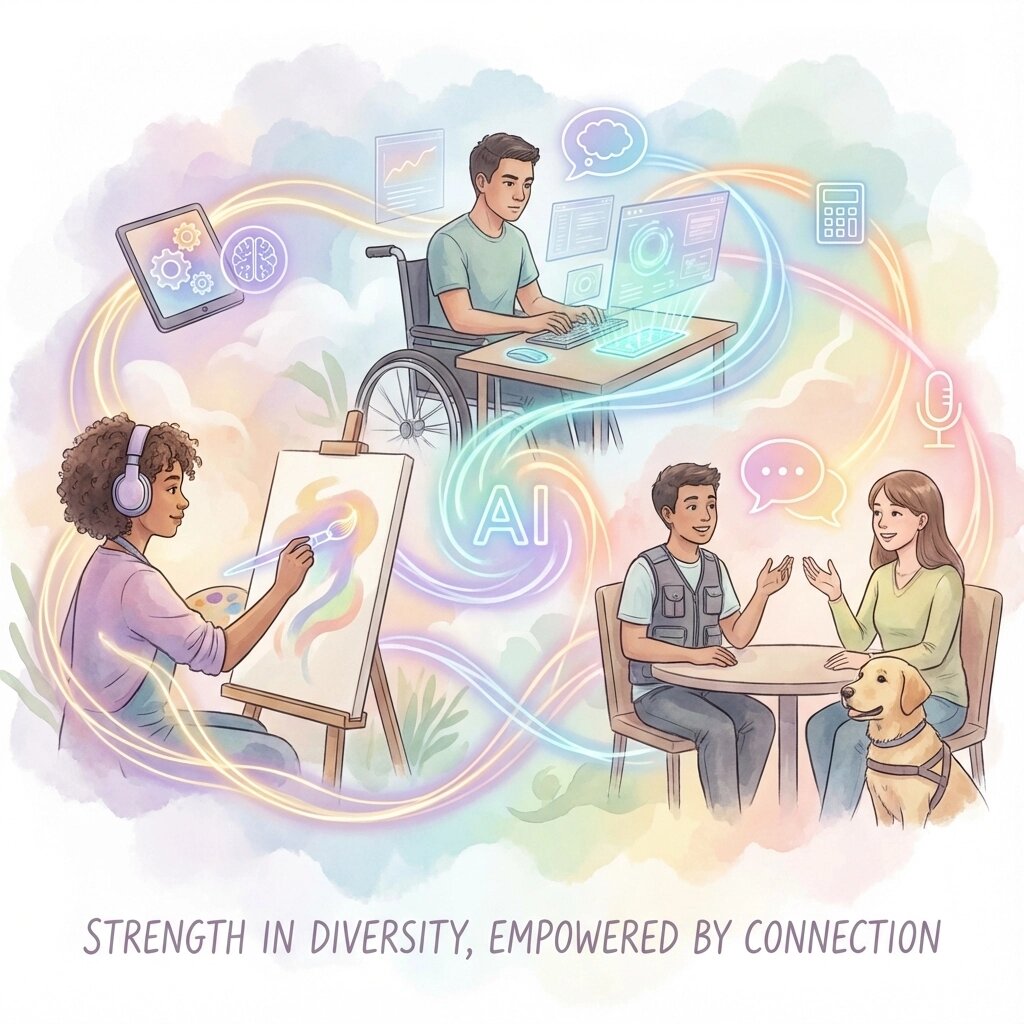
Looking Forward: The Personalization Revolution
We’re still in the early days of AI assistants, but the trajectory is exciting. Future developments might include:
-
Mood-aware task scheduling that adjusts based on your mental state
-
Learning style optimization for information processing
-
Energy management tools that prevent burnout
-
Social situation coaching for challenging interactions
Getting Started (Keep It Simple)
If this all sounds overwhelming, start small. Pick one area where you struggle most: maybe it’s remembering appointments or breaking down projects. Try one AI assistant for that specific challenge and see how it feels.
Remember, the goal isn’t to become dependent on technology. It’s about having support that lets your brain do what it does best.
The conversation around neurodiversity is shifting from “how do we fix these people” to “how do we build systems that work for different kinds of brains.” AI assistants are part of that shift, offering personalized support without the judgment or stigma that often comes with traditional accommodations.
Your brain isn’t broken: it just needs different tools. And finally, those tools are starting to exist.