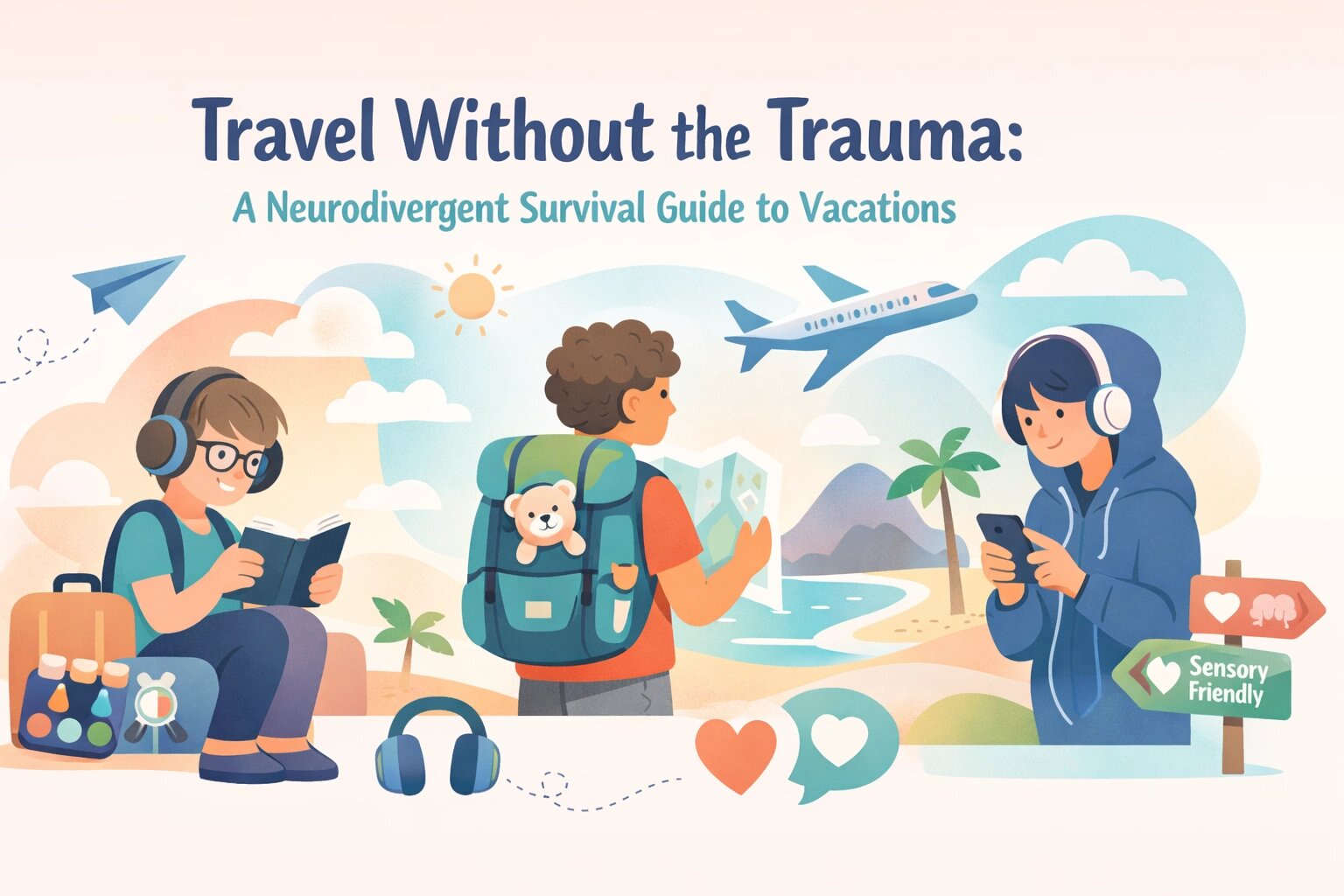
Let’s be real: the phrase “relaxing vacation” can feel like a complete oxymoron when you’re neurodivergent. Between the sensory assault of airports, the chaos of unfamiliar places, and the exhaustion of breaking every single routine you’ve carefully built, travel can feel more like torture than a getaway.
But here’s the thing: you absolutely deserve to explore new places, visit loved ones, or just take a break from your everyday life. You just need to do it your way. This isn’t about forcing yourself into neurotypical vacation expectations. It’s about building a travel experience that actually works for your brain.
Before You Even Book: The Power of Pre-Planning
The secret weapon for neurodivergent travel? Information. Lots and lots of information.
Uncertainty is often what triggers our anxiety and sensory overwhelm. The more you know ahead of time, the fewer surprises your nervous system has to deal with. This isn’t being “high maintenance”, it’s being smart.
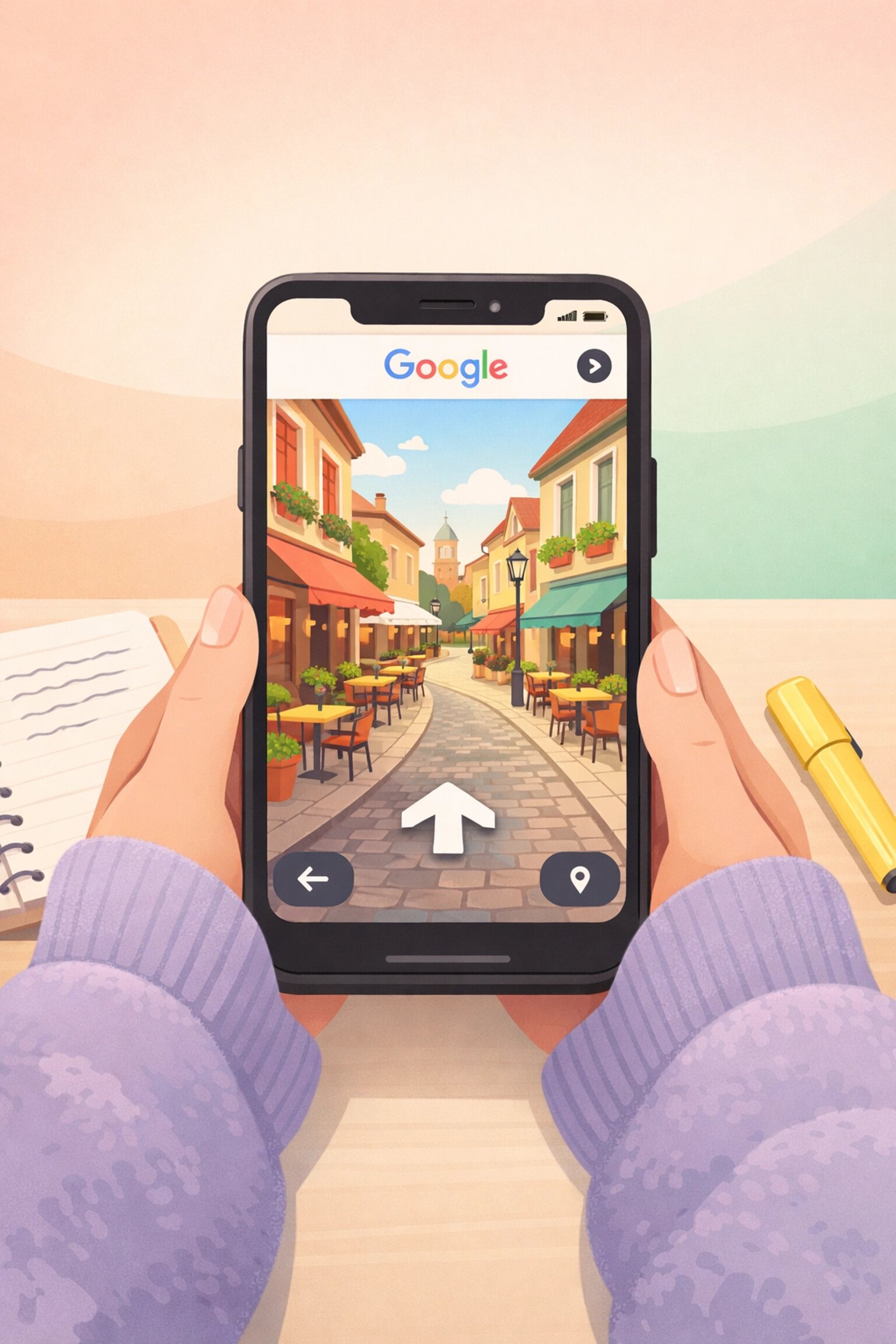
Start with virtual reconnaissance. Google Street View is your best friend here. Seriously, spend an evening “walking” around your destination. Check out the hotel entrance, scope out nearby restaurants, and get familiar with the general layout. Your brain will thank you when you arrive and things feel at least somewhat familiar instead of completely alien.
Research your accommodation thoroughly. Read reviews specifically mentioning noise levels (look for phrases like “thin walls” or “quiet floor”). Check if the hotel is near busy roads, bars, or construction. Contact them directly if you need to, ask about room location, request a corner room away from elevators, or inquire about blackout curtains if light sensitivity is your thing.
Menu research is non-negotiable. Look up restaurant menus in advance so you’re not trying to decode unfamiliar food options while already overwhelmed. Find your “safe” restaurant options near your accommodation, places where you know you can get something you’ll actually eat without decision paralysis kicking in.
Pro tip: Screenshot everything. Flight confirmations, hotel addresses, restaurant locations, emergency numbers. Keep them in a dedicated folder on your phone so you’re not frantically searching through emails when you’re already dysregulated.
Packing: Your Comfort Kit Comes First
Forget packing light if it means leaving behind the things that regulate your nervous system. Your comfort and sensory needs aren’t “extras”, they’re essentials.
Create a visual packing checklist. Write down or use a phone app to create a checklist you can physically tick off. This eliminates the executive function nightmare of “Did I remember my…?” spiraling thoughts. Include categories like medications, sensory tools, safe foods, and comfort items.
Your travel comfort kit should include:
-
Noise-canceling headphones or quality earplugs (pack both, redundancy is your friend)
-
Familiar snacks that won’t be available at your destination (trust us, having your safe foods when you’re overwhelmed is priceless)
-
A comfort item from home, whether that’s a specific pillow, weighted blanket, fidget toy, or that worn t-shirt that just feels right
-
Sunglasses, even if you’re not going somewhere sunny (fluorescent airport lighting is nobody’s friend)
-
Any sensory tools you use regularly, stim toys, chewelry, compression clothing
Don’t forget to pack your medications and any supplements in your carry-on, along with a few extra days’ worth in case of travel delays.

Transportation: Choose Calm Over Cheap
This is where you might need to spend a bit more money, and that’s okay. Your mental health and ability to actually enjoy your trip are worth it.
Direct flights are worth the extra cost. Layovers mean multiple security lines, navigating unfamiliar airports, anxiety about missing connections, and arriving at your destination already exhausted. One flight, even if it’s longer, is typically less taxing than multiple shorter ones with all the transitions in between.
If you’re flying, consider these strategies:
-
Request early boarding if you have a disability placard or letter from your healthcare provider, getting settled before the chaos helps tremendously
-
Choose your seat strategically: window seats for fewer people passing by, aisle seats for easy bathroom access, or seats near the front for quicker deplaning
-
Download movies, podcasts, or games beforehand, don’t rely on inflight wifi or entertainment
-
Wear comfortable, sensory-friendly clothing (this is not the time for tight waistbands or scratchy fabrics)
Avoid overnight travel that disrupts your sleep schedule. Yes, it might save a day of vacation time, but arriving sleep-deprived sets you up for dysregulation from day one.
On the Ground: Pace Yourself (Seriously)
Here’s where we need to have a come-to-Jesus moment about vacation expectations. You will not “see it all.” You will not do everything the guidebook recommends. And that’s not just okay, it’s necessary for your trip to be successful.
Plan one or two anchor activities per day. Maximum. That’s it. The rest of your time should be loosely structured or completely open. This gives you flexibility to respond to how you’re actually feeling rather than forcing yourself through an exhausting itinerary because you “should.”
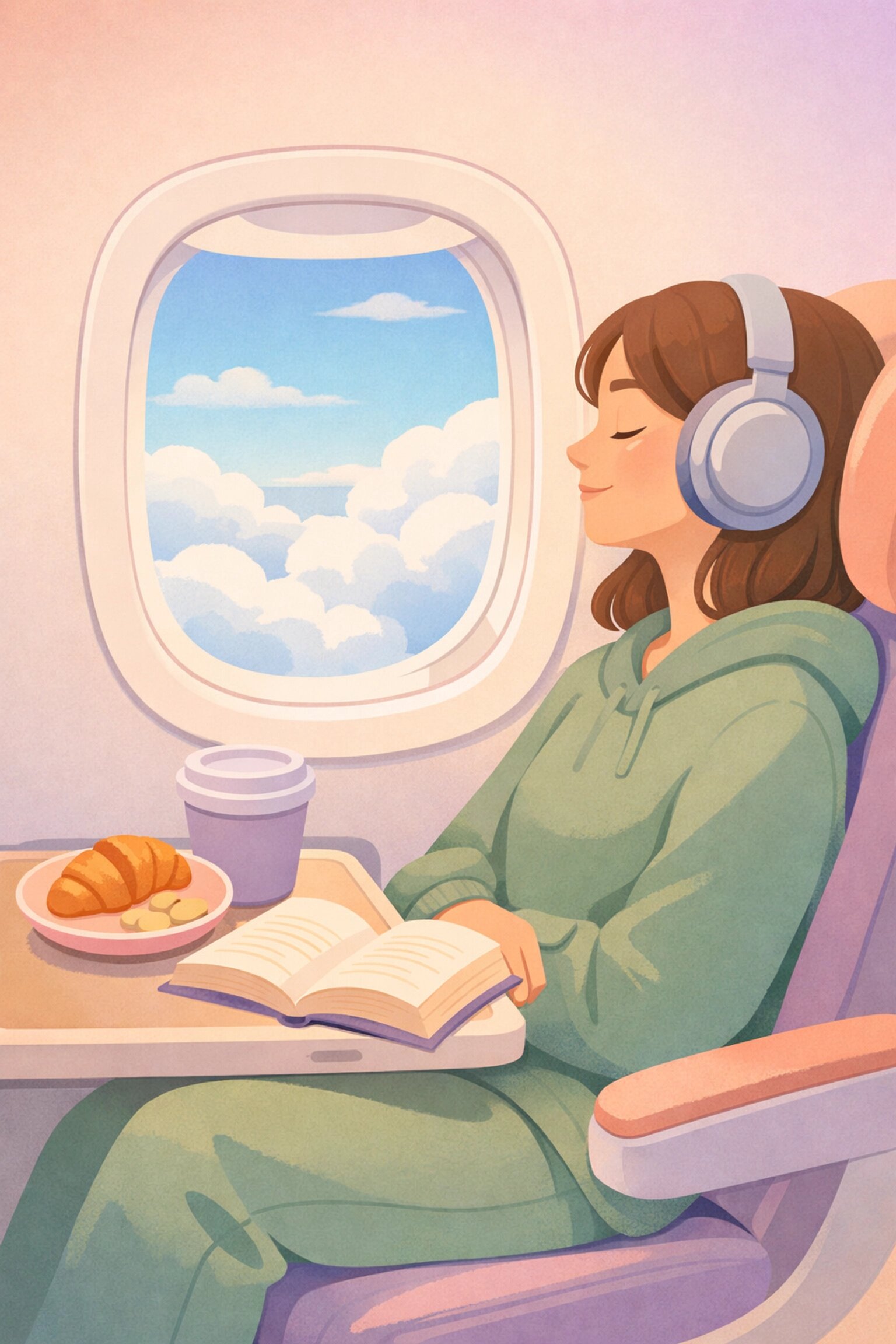
Build in a mandatory rest hour every single day, ideally before dinner or evening activities. This is non-negotiable decompression time back at your accommodation. Lie down, stim, scroll mindlessly, stare at the ceiling, whatever helps your nervous system reset.
Embrace “quiet tourism.” Not every vacation needs to be about hitting famous landmarks. Sometimes the best travel experiences are wandering a neighborhood, sitting in a park, or finding a cozy café where you can people-watch. These lower-stimulation activities can be just as enriching without the sensory overload.
If you’re traveling with others, communicate your needs clearly: “I need an hour alone in the room to recharge” or “I’m reaching my limit for today and need to head back.” People who care about you want you to enjoy the trip, not push through to the point of meltdown.
The Google Street View Hack
Let’s circle back to this because it deserves its own spotlight. Using Google Street View to pre-visit locations is genuinely game-changing for reducing travel anxiety.
Before you leave, “walk” through:
-
The route from the airport to your hotel
-
The path from your hotel to planned activities
-
The exterior and surroundings of restaurants you want to try
-
Public transportation stops you’ll be using
This mental mapping dramatically reduces the cognitive load when you arrive. Your brain can focus on experiencing the place rather than constantly being in “where am I / where am I going / is this safe” mode.
Safe Snacks Are Not Optional
Pack more safe snacks than you think you’ll need. Seriously, double it.
When you’re dysregulated, hungry, and surrounded by unfamiliar food options, having something you know you can eat is a lifeline. Protein bars, trail mix, crackers, candy, whatever your safe foods are, bring them.
This also prevents the hangry + overwhelmed combination that leads to shutdowns or meltdowns. You can always eat the local cuisine when you’re regulated and feeling adventurous, but you need backup options for the inevitable moments when you’re not.
When Things Go Wrong (Because They Will)
Even with perfect planning, travel involves variables outside your control. Flights get delayed. Hotels mess up reservations. Weather changes plans.
Have a backup plan for your backup plan. Know where the quiet areas are at the airport. Have a list of alternative restaurants. Keep the number for your accommodation’s front desk easily accessible.
If you start feeling overwhelmed, remember: it’s okay to change plans, skip activities, or spend a day recovering in your room. A vacation that keeps you regulated and relatively calm is infinitely better than one where you pushed through and ended up miserable.

You Can Do This
Travel as a neurodivergent person requires more planning, more self-advocacy, and more flexibility than the “spontaneous adventure” culture tells us is ideal. But that doesn’t make you high-maintenance or difficult, it makes you self-aware and smart about your needs.
The world is absolutely accessible to you. It just might look different than neurotypical travel guides suggest, and that’s perfectly fine. A successful trip isn’t measured by how many attractions you hit, it’s measured by whether you had meaningful experiences while staying reasonably regulated.
So yes, book that trip. Visit that friend. See that place you’ve been curious about. Just do it with your sensory toolkit, your built-in rest days, your safe snacks, and your pre-researched plan.
You’ve got this. And if you need support figuring out strategies that work for your specific needs, ThriveUp Care is here to help you thrive: whether that’s at home or halfway around the world.
Safe travels. 