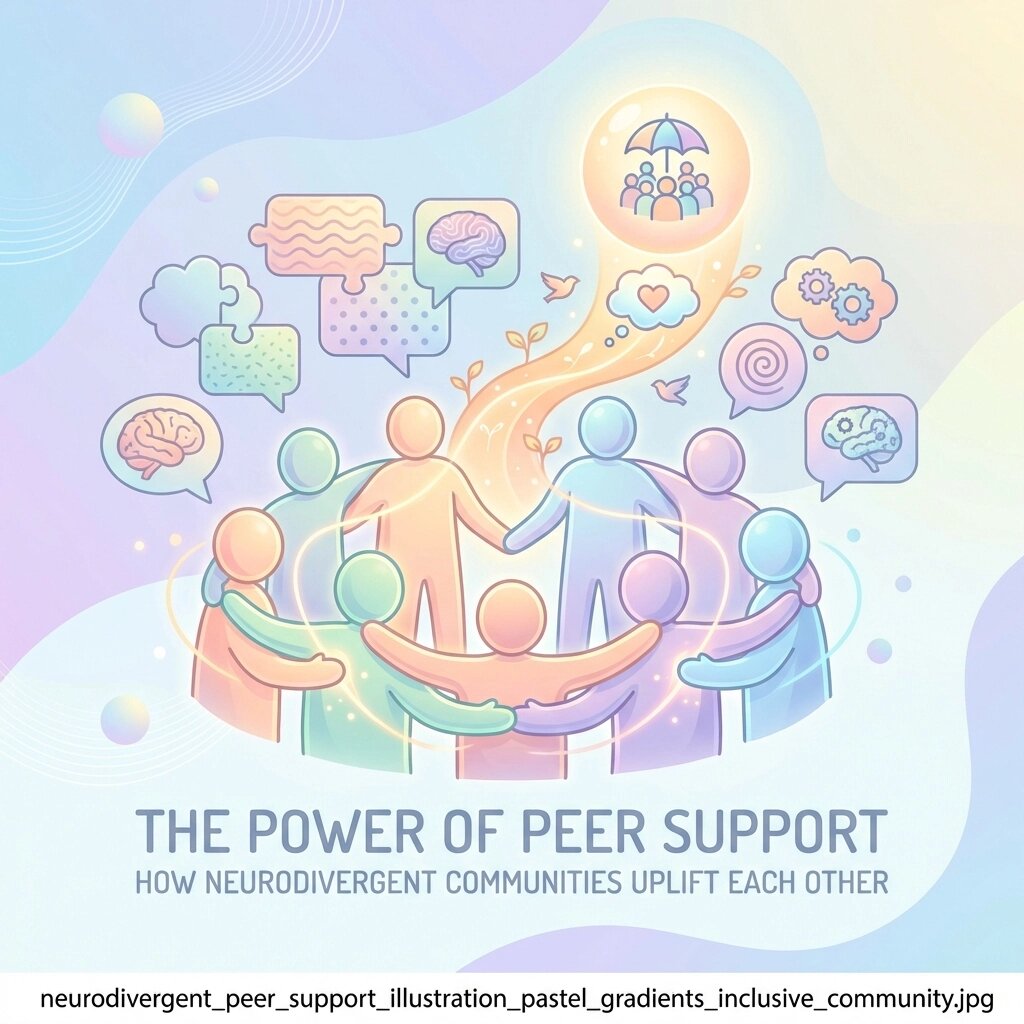
Ever feel like you’re the only one who struggles with things that seem to come naturally to everyone else? Like you’re constantly translating between your brain and the world around you? You’re definitely not alone – and that’s exactly why peer support within neurodivergent communities is so incredibly powerful.
There’s something magical that happens when neurodivergent folks connect with each other. It’s not just about having people to vent to (though that’s pretty great too). It’s about finding your people – the ones who truly get what it’s like to live with ADHD, autism, dyslexia, or any other beautiful brain difference.
What Makes Peer Support Different?
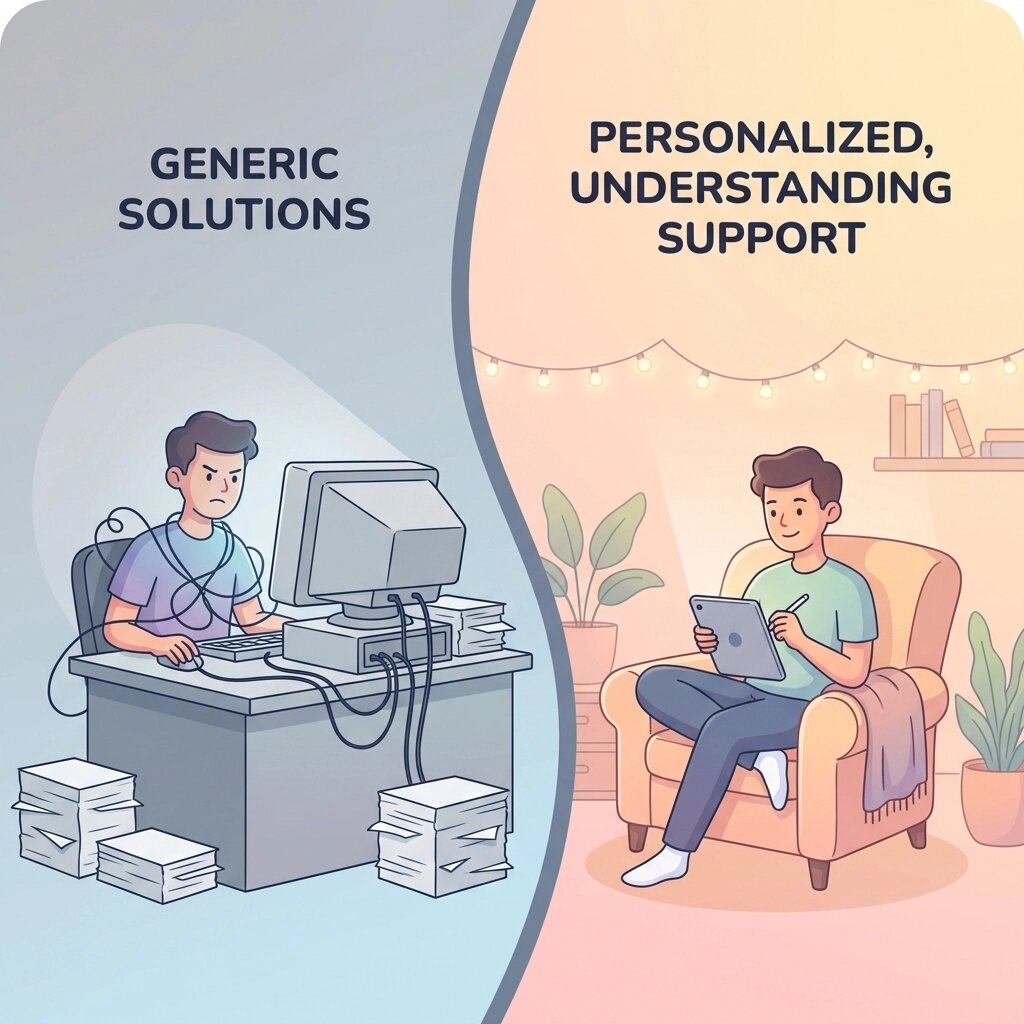
Traditional support often comes from well-meaning professionals or family members who care deeply but haven’t walked in your shoes. Peer support flips that script entirely. When someone with ADHD shares their latest organizational hack with another ADHDer, or when an autistic person explains their sensory coping strategies to a fellow community member, something clicks.
It’s the difference between sympathy and empathy. Your therapist might understand intellectually why executive dysfunction makes simple tasks feel overwhelming. But your ADHD peer? They’ve lived through the shame of a messy kitchen, the frustration of starting ten projects and finishing none, and the relief of finally finding a system that works.
This lived experience creates an immediate foundation of trust and understanding. There’s no need to explain why certain sounds make you want to crawl out of your skin, or why you need three backup plans for every social event. They just get it.
The Real Benefits: More Than Just Feeling Understood
Safe Spaces for Authenticity
One of the most profound gifts of neurodivergent peer communities is the permission to unmask. For many of us, daily life requires exhausting levels of masking – hiding our stimming, forcing eye contact, suppressing our natural reactions to keep others comfortable.
In peer support spaces, that pressure evaporates. You can stim freely, ask for clarification without embarrassment, and share your genuine thoughts without fear of judgment. This authenticity isn’t just refreshing – it’s healing.
Practical Wisdom That Actually Works
Generic advice often falls flat for neurodivergent brains. “Just make a to-do list” doesn’t help when your ADHD makes traditional planning tools feel like torture devices. But when a community member shares their color-coded, dopamine-friendly planning system? That’s gold.
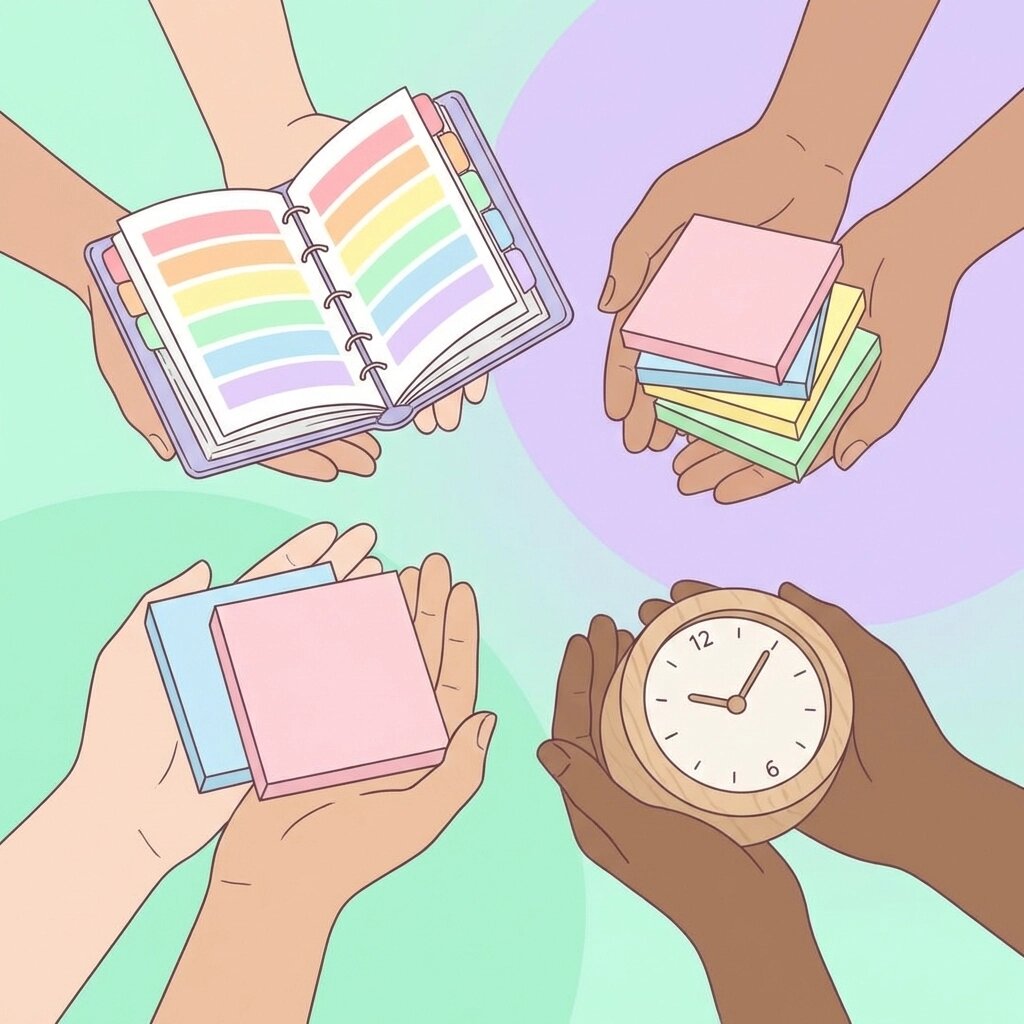
Peer communities become treasure troves of practical strategies:
-
Time management techniques that work with ADHD brains
-
Sensory regulation tools for overwhelming days
-
Social scripts for challenging interactions
-
Career advice from people who’ve navigated similar challenges
-
Self-advocacy strategies that actually get results
Confidence Through Connection
There’s something incredibly empowering about realizing you’re not broken – you’re just different. When you connect with thriving neurodivergent adults, you see possibility. You meet the ADHD entrepreneur who built a successful business around their hyperfocus abilities, or the autistic advocate who’s changing workplace policies.
These connections don’t just provide hope – they provide proof that neurodivergent success is possible and comes in many forms.
Types of Peer Support: Finding Your Flavor
Online Communities
Digital spaces have revolutionized neurodivergent peer support. Whether it’s Reddit communities, Facebook groups, or specialized platforms, online spaces offer 24/7 connection and the ability to find incredibly specific support.
Looking for other parents with ADHD? There’s a group for that. Need strategies for managing autism and anxiety together? You’ll find people sharing their experiences. The beauty of online communities is their specificity – you can find your exact intersection of identities and challenges.
Local Meetups and Groups
While online connection is amazing, there’s something special about in-person gatherings too. Local neurodivergent meetups offer the chance to build deeper relationships and engage in activities together. Many cities now have ADHD coffee groups, autism social gatherings, or general neurodivergent meetups.
These spaces often become launching pads for lifelong friendships and collaborative projects. Plus, having local connections means you can share resources specific to your area – the best sensory-friendly restaurants, understanding healthcare providers, or flexible employers.
Mentorship and Peer Coaching
Some of the most transformative peer support happens one-on-one or in small groups. Formal mentorship programs pair experienced neurodivergent individuals with those just beginning their journey. Peer coaching relationships offer ongoing support and accountability from someone who truly understands your challenges.
This type of support combines the understanding of shared experience with the focused attention of individualized guidance.
Storytelling and Shared Experiences
Never underestimate the power of simply sharing stories. Whether through blogs, podcasts, video content, or just casual conversation, storytelling within neurodivergent communities serves multiple purposes:
-
Validation: “Oh, someone else has experienced this exact thing”
-
Learning: “Here’s how they handled a situation I’m facing”
-
Connection: “I feel less alone in this struggle”
-
Inspiration: “If they can do it, maybe I can too”
How ThriveUp Care Supports Community Connection
At ThriveUp Care, we believe that peer support isn’t just beneficial – it’s essential. That’s why we’ve built community connection right into our platform. Our Collective community space brings together neurodivergent individuals, their supporters, and understanding providers in one accessible place.
You’ll find everything from practical discussions about daily living skills to supportive conversations about managing sensory overload. Our community guidelines ensure these spaces remain safe, supportive, and focused on mutual uplift.
But we don’t stop at online connection. Our platform also helps you find local providers who understand neurodivergent experiences and can connect you with in-person resources in your area. Because sometimes you need both – the 24/7 understanding of online community and the grounded support of local connection.
The Ripple Effects
The beautiful thing about neurodivergent peer support is how it ripples outward. When you feel supported and understood, you’re better equipped to support others. When you have strategies that work, you can share them. When you feel confident in your identity, you can help others embrace theirs.
This creates an upward spiral where communities continuously strengthen each other. Research shows that peer support doesn’t just help the person receiving support – it benefits the supporters too, enhancing their confidence, self-awareness, and sense of purpose.
Families benefit as well. When neurodivergent individuals have strong peer support networks, it reduces stress on family relationships and provides additional resources for everyone involved.
Finding Your Community
Ready to experience the power of peer support for yourself? Here are some ways to get started:
Start small: You don’t need to jump into leading a support group. Begin by lurking in online communities, attending one local meetup, or simply reaching out to one person whose story resonates with you.
Be patient: Building meaningful connections takes time. Don’t get discouraged if the first group you try isn’t the perfect fit.
Contribute when ready: Peer support works best when it’s reciprocal, but that doesn’t mean you need to have everything figured out before participating. Your questions and struggles help others feel less alone too.
Stay safe: Whether online or in-person, prioritize your safety. Trust your instincts about which spaces feel supportive versus overwhelming.
Ready to explore what peer support can offer you? Join our ThriveUp Collective to connect with understanding community members, or explore our platform to find local providers who get it. You don’t have to figure this out alone – and you definitely don’t have to do it without the wisdom and support of people who’ve been there too.
Your neurodivergent community is out there waiting for you. The only question is: are you ready to find them? 