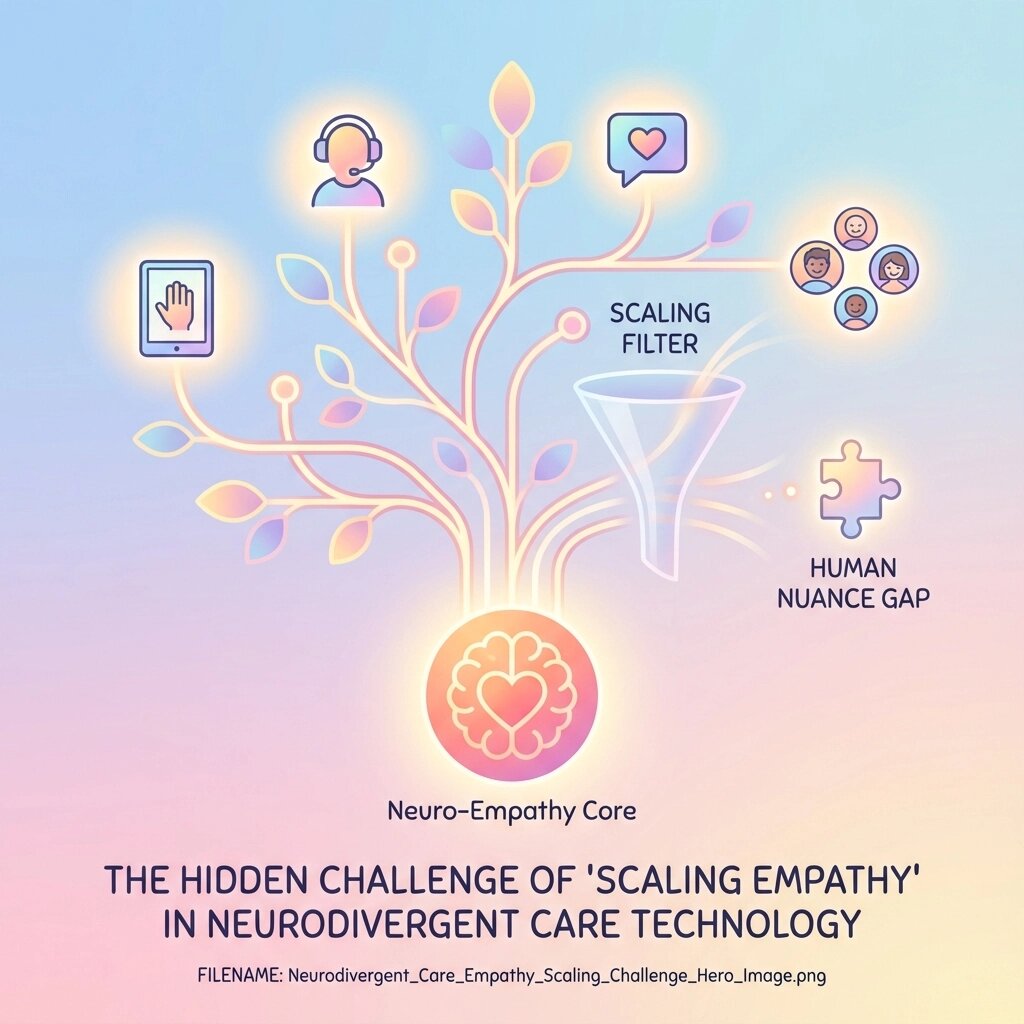
Here’s something that keeps me up at night: How do you take genuine human understanding and multiply it by thousands without losing what makes it real?
If you’re part of the neurodivergent community, you probably know exactly what I’m talking about. You’ve likely encountered those well-meaning apps, chatbots, or digital tools that claim to “get” you but somehow miss the mark entirely. Maybe it was an AI that responded to your sensory overload with generic breathing exercises, or a platform that treated your ADHD like a simple time management problem.
This is what we call the “scaling empathy” challenge, and it’s one of the biggest puzzles facing companies like ThriveUp Care as we work to support more neurodivergent individuals and families.
The Beautiful Mess of Real Empathy
Let’s start with what empathy actually looks like in practice. Real empathy isn’t just understanding that someone is struggling: it’s recognizing the specific way their brain works, adapting to their communication style, and responding in ways that actually help rather than inadvertently harm.
When a human support specialist at ThriveUp Care talks with you, they might notice that you process information differently, prefer written communication over phone calls, or need extra time to formulate responses. They remember that your sensory sensitivities mean certain environments are genuinely overwhelming, not just “preferences” to accommodate.
This kind of understanding develops through relationship, experience, and genuine curiosity about your individual needs. It’s messy, unpredictable, and beautifully human.

The Scale Trap: When Efficiency Kills Connection
Now here’s where things get tricky. To reach more people who need support, technology companies naturally turn to automation, algorithms, and systematic approaches. The logic makes sense: if we can identify patterns in how neurodivergent people experience challenges, we can create automated responses that provide help more quickly and affordably.
But here’s what often happens instead:
The Deficit Model Creep: Many therapeutic apps still treat neurodivergence as problems to be fixed rather than differences to be understood. They might gamify “empathy building” for autistic users or focus on helping ADHD brains become more “neurotypical” rather than working with their natural patterns.
One-Size-Fits-All Solutions: Automated systems love categories and standard responses. But your ADHD doesn’t look exactly like anyone else’s ADHD, and what helps you regulate might completely overwhelm someone else.
Missing the Emotional Nuance: Current AI can recognize keywords and patterns, but it struggles with the subtle emotional cues that human supporters pick up on: the hesitation in your voice that suggests you’re masking, or the way you phrase questions when you’re feeling overwhelmed but trying to seem “together.”
The Double-Empathy Problem in Tech
Here’s something fascinating that research has uncovered: what we often call “empathy deficits” in autism might actually be communication differences between neurotypical and neurodivergent people. It’s not that autistic people lack empathy: it’s that there’s sometimes a mismatch in how different neurotypes express and recognize empathy.
This has huge implications for technology design. If your communication app or support platform is designed primarily by and for neurotypical users, it might inadvertently create barriers to authentic expression and connection for neurodivergent users.
We’ve seen this play out in various ways:
-
Chat interfaces that prioritize quick, brief responses over the detailed communication some autistic users prefer
-
Emotion-recognition systems trained primarily on neurotypical expressions
-
Support algorithms that interpret direct communication as “rude” rather than efficient
When Technology Gets in the Way
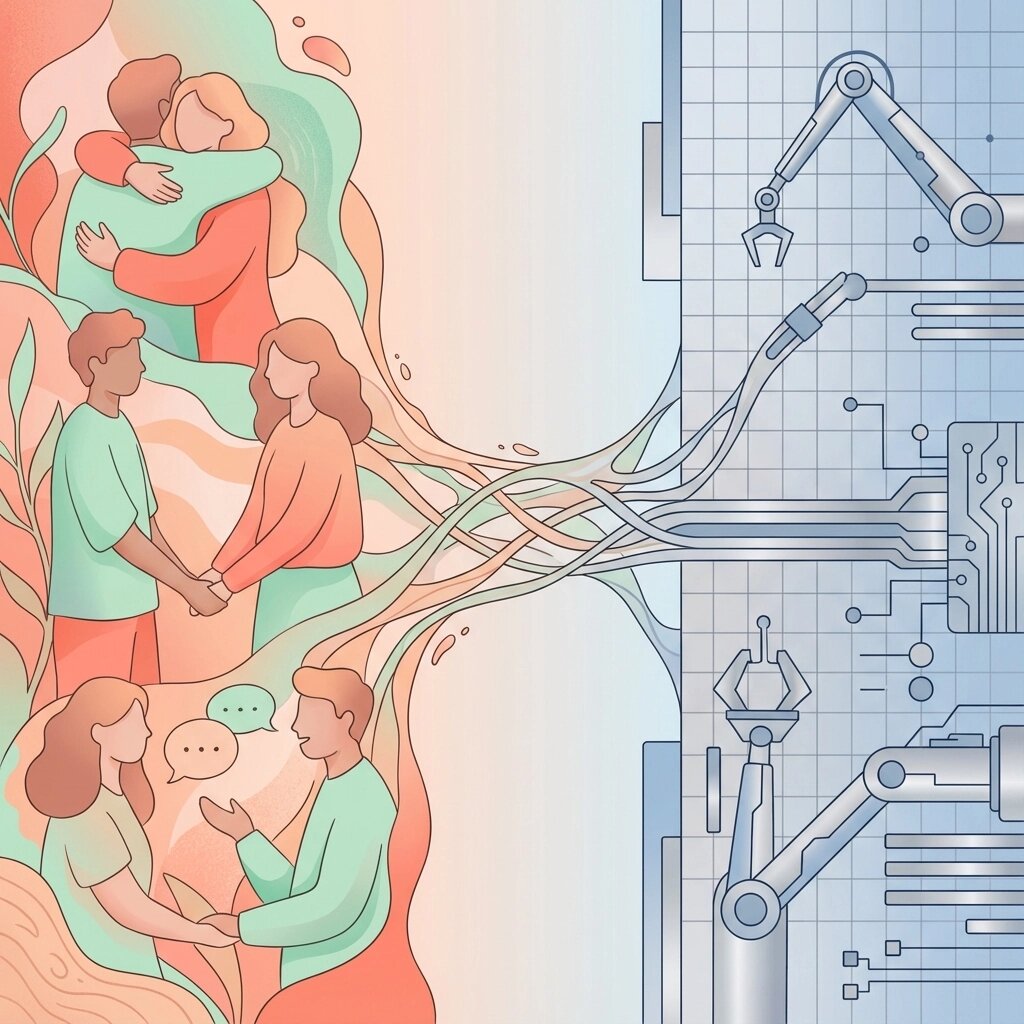
Sometimes, well-intentioned assistive technology can actually hinder authentic communication. This happens when platforms focus too heavily on “normalizing” neurodivergent communication rather than facilitating genuine expression.
For example, some AAC (Augmentative and Alternative Communication) apps push users toward conventional phrases and responses rather than supporting their authentic voice. The technology works perfectly from a functional standpoint: it helps people communicate: but it might muffle their true personality and preferred communication style.
The same thing happens with automated support systems that guide users toward “socially appropriate” responses or therapeutic interventions designed around neurotypical expectations of progress and engagement.
The Bias and Access Challenge
Even when companies try to build empathetic technology, they often bump into structural challenges that are harder to solve with good intentions alone:
Training Data Bias: AI systems learn from existing data, which often reflects historical biases about neurodivergence. If the training data includes mostly clinical descriptions written by non-neurodivergent professionals, the AI might perpetuate medical model thinking rather than community-centered understanding.
Economic Barriers: Truly personalized, empathetic technology is expensive to develop and maintain. This creates pressure to cut corners or target only users who can afford premium services, potentially leaving behind the people who need support most.
Cultural Gaps: Many neurodivergent individuals and families don’t fit into traditional service categories or cultural assumptions. Technology designed within conventional frameworks might miss entire communities or ways of being.
What Does Better Look Like?
So how do we scale empathy without losing it? At ThriveUp Care, we’re constantly grappling with this question, and here’s what we’ve learned:
Human-AI Partnership, Not Replacement: The most effective approaches use technology to enhance human connection rather than replace it. AI can handle scheduling, initial assessment, and resource matching, freeing up human specialists to focus on the relationship-building and nuanced support that technology can’t replicate.
Community-Centered Design: Instead of designing for neurodivergent users, we’re learning to design with neurodivergent communities. This means including neurodivergent people as designers, advisors, and decision-makers throughout the development process.
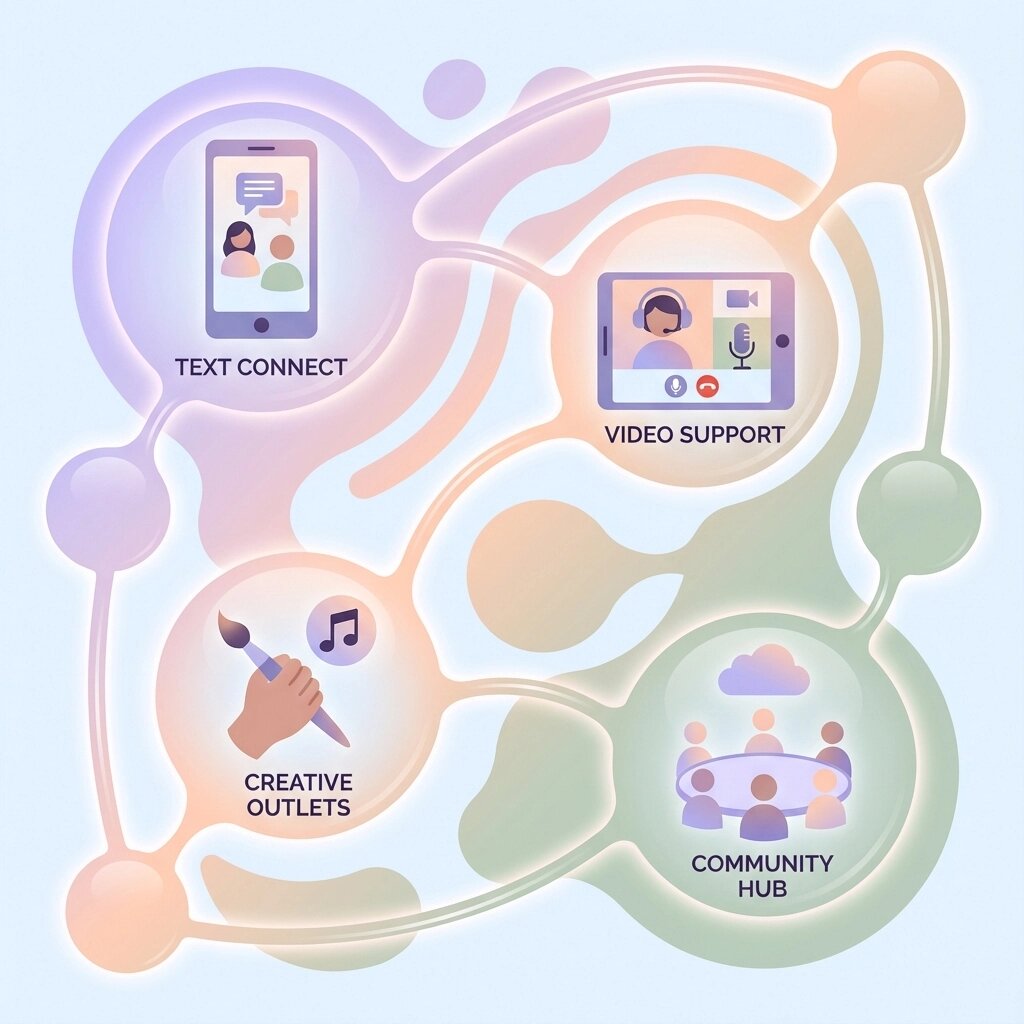
Flexible, Not Standardized: Rather than creating one “empathetic” response system, effective platforms offer multiple ways to communicate, receive support, and engage. Some users prefer text, others want video calls, and still others might communicate best through shared activities or creative expression.
Building Trust Through Transparency
One thing that definitely doesn’t scale well is trust: and trust is essential for genuine empathy. Neurodivergent individuals and families have often been let down by systems that promised understanding but delivered judgment or inadequate support.
Building trust at scale requires:
-
Clear communication about what technology can and cannot do
-
Honest acknowledgment of limitations and ongoing learning
-
Multiple pathways to human support when automated systems fall short
-
Community feedback loops that actually influence platform development
We’ve found that being upfront about our learning process and mistakes actually builds more trust than trying to appear perfect. When you share feedback with us, it directly shapes how we improve our approach.
The Regulation and Responsibility Question
As these technologies become more widespread, we’re also grappling with questions about responsibility and oversight. How do we ensure that scaled empathy doesn’t become performative empathy? How do we hold platforms accountable for the real impact of their design choices on neurodivergent lives?
These aren’t just technical questions: they’re ethical and community questions that require ongoing dialogue between technology companies, neurodivergent communities, advocates, and policymakers.
Hope for the Future
Despite all these challenges, I remain genuinely optimistic about the potential for technology to support empathetic, authentic neurodivergent care at scale. We’re seeing incredible innovations in personalization, community-building tools, and AI systems designed with neurodivergent input from the ground up.
The key is remembering that scaling empathy isn’t just a technical problem: it’s a human one that requires ongoing relationship, humility, and commitment to listening.
Your Voice Matters
As we continue building and improving support platforms, your experience and insights are invaluable. The neurodivergent community has always been the real experts on what authentic support looks like, and technology companies need to keep learning from your lived experience.
What has your experience been with digital mental health or neurodivergent support tools? What worked? What missed the mark? We’re listening, and your feedback directly influences how we approach these challenges.
The future of empathetic neurodivergent care technology will be built through partnership, not isolation. Together, we can figure out how to scale understanding without losing the heart of what makes it real.
Ready to be part of the conversation? Join our community where neurodivergent individuals, families, and supporters share experiences and shape the future of accessible care.