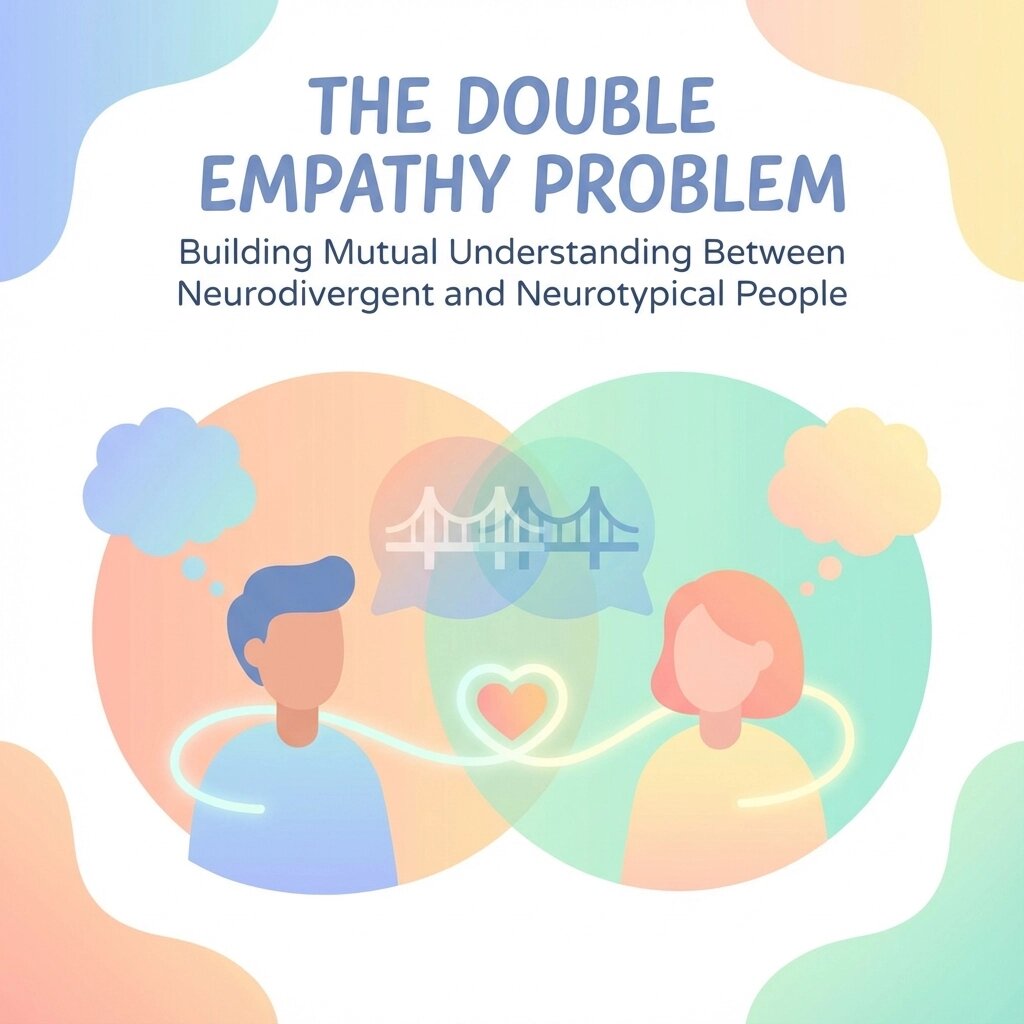
Have you ever felt frustrated when someone just didn’t “get” your communication style? Or wondered why conversations with certain people feel like you’re speaking completely different languages? You’re not alone, and there’s actually a name for this experience: the Double Empathy Problem.
This concept is changing how we understand social interactions between neurodivergent and neurotypical people, and it’s about time. Instead of placing all the responsibility on neurodivergent individuals to “fix” their communication, it recognizes that understanding goes both ways.
What Is the Double Empathy Problem?
The Double Empathy Problem was first described by researcher Damian Milton in 2012. In simple terms, it means that when neurodivergent and neurotypical people struggle to understand each other, it’s not because one group lacks empathy or social skills, it’s because both groups think and communicate differently.
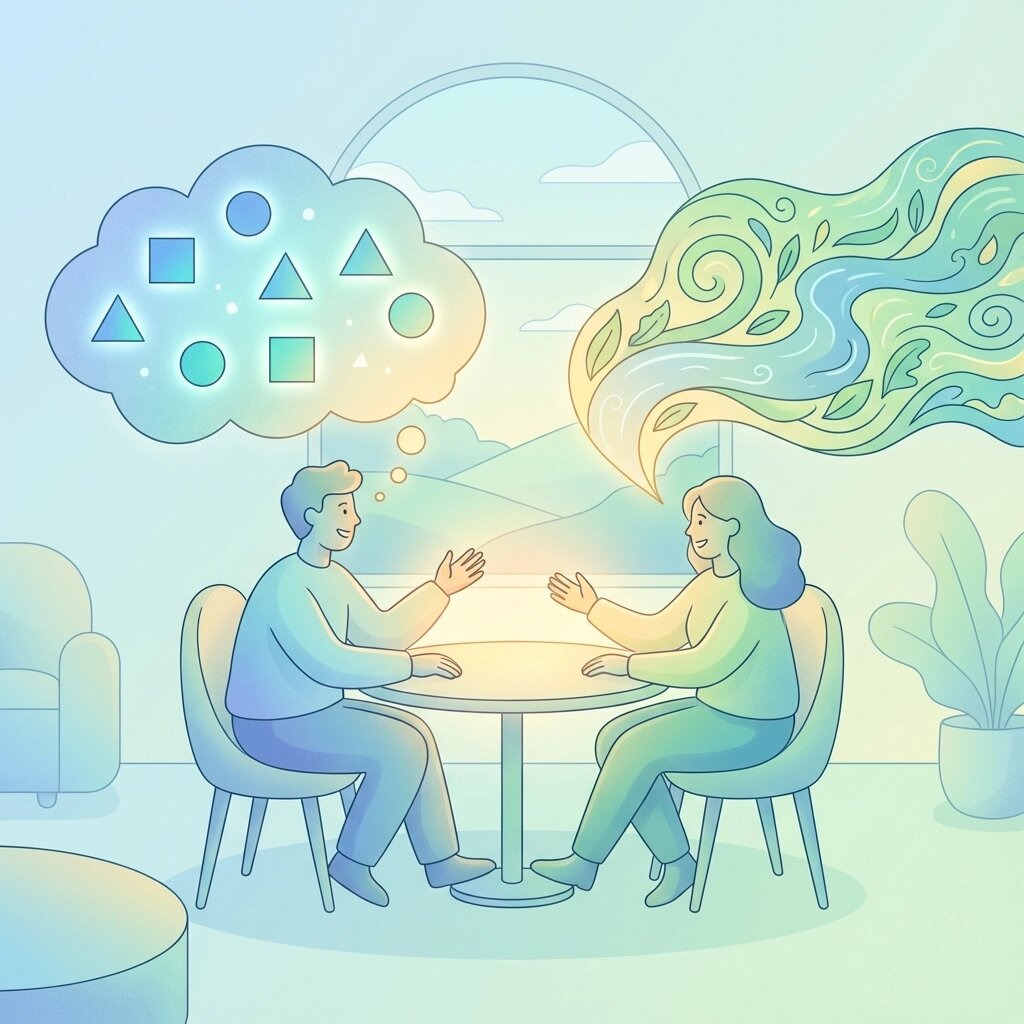
Think of it like this: if you speak English and I speak French, we’re both going to have trouble understanding each other. That doesn’t mean either of us is bad at language, we just use different systems to communicate.
The “double” part is key here. Traditional thinking has focused on what neurodivergent people supposedly can’t do socially. But this theory flips that script and says, “Wait a minute, neurotypical people also struggle to understand neurodivergent communication. This is a two-way street.”
Why This Changes Everything
For too long, the focus has been on “fixing” neurodivergent people to make them more socially acceptable. This approach has some serious problems:
It ignores what actually works. Neurodivergent people communicate perfectly well with other neurodivergent people. Similarly, neurotypical people communicate well with other neurotypical people. The breakdown happens specifically when these different groups interact, which suggests the issue isn’t with either group individually.
It puts unfair pressure on neurodivergent individuals. When we assume all social difficulties are their responsibility to solve, we’re essentially asking them to constantly mask their natural communication style to make others comfortable. That’s exhausting and often harmful to mental health.
It misses opportunities for real understanding. When both people recognize they need to meet in the middle, much richer and more authentic relationships become possible.
How This Shows Up in Real Life
The Double Empathy Problem isn’t just academic theory, it plays out in countless everyday situations:
At work: A neurotypical manager might interpret an autistic employee’s direct communication as “rude” or “challenging authority,” while the autistic employee is simply being clear and honest. Neither person intends harm, but they’re operating from different communication frameworks.
In friendships: An ADHD person might share excitement by interrupting or rapidly changing topics, which a neurotypical friend could see as inconsiderate. Meanwhile, the neurotypical person’s indirect hints about plans might completely go over the ADHD person’s head.
In families: Parents might worry when their autistic child doesn’t make eye contact during conversations, interpreting this as disrespectful or disconnected. But for the child, eye contact might be overwhelming or actually interfere with their ability to listen and process what’s being said.
The Evidence Is Clear
Research backs up what many neurodivergent people have long known from experience. Studies show that:
-
Autistic people communicate effectively with other autistic people
-
Neurotypical people communicate well with other neurotypical people
-
Communication breakdowns happen specifically in cross-neurotype interactions
-
When both parties understand and accommodate different communication styles, interactions improve dramatically
This pattern proves that there’s nothing inherently “wrong” with either group’s communication abilities. The challenges arise from differences, not deficits.
Building Bridges: Practical Steps for Better Understanding
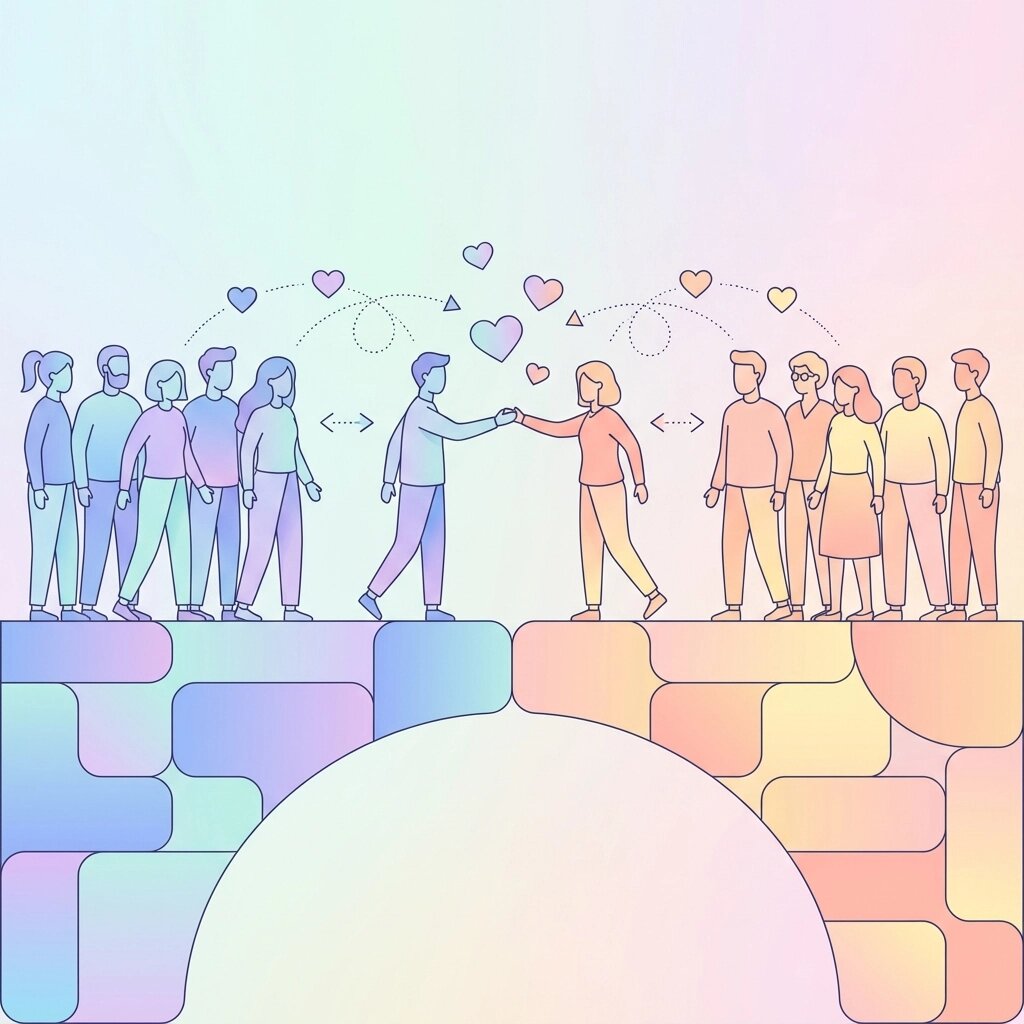
So how do we move from misunderstanding to mutual respect? It starts with both sides taking responsibility for meeting in the middle.
For Everyone: Basic Principles
Assume good intentions. When someone communicates differently than you expect, try assuming they mean well rather than jumping to negative conclusions.
Ask questions instead of making assumptions. “I want to make sure I understand, are you feeling frustrated right now?” works better than deciding someone is angry based on their tone or facial expression.
Be explicit about your communication needs. Instead of expecting others to guess, try saying things like “I need you to be direct with me” or “I process information better when I can see it written down.”
Recognize that different doesn’t mean wrong. Someone who needs more processing time, speaks bluntly, or shows enthusiasm differently isn’t doing it “incorrectly”, they’re just doing it differently.
For Neurotypical People: Extra Considerations
Question your interpretations. If someone seems “rude” or “weird,” consider whether they might just have a different communication style. What seems obvious to you might not be obvious to them, and vice versa.
Don’t take communication differences personally. If someone doesn’t make eye contact, seems direct, or responds differently than expected, it’s probably not about you or your relationship with them.
Learn about different neurotypes. Understanding that autistic people might struggle with eye contact, or that people with ADHD might interrupt when excited, helps you respond more appropriately.
Create inclusive environments. This might mean providing agendas in advance, allowing extra processing time, or being flexible about how people participate in conversations.
For Neurodivergent People: Working Within Systems
Advocate for your needs. While you shouldn’t have to mask constantly, communicating your needs clearly can help others understand how to interact with you better.
Find your people. Seek out relationships with others who “get” your communication style, whether they’re neurodivergent or neurotypical people who’ve learned to appreciate different ways of connecting.
Use your strengths. Many neurodivergent people excel at direct communication, creative problem-solving, or deep focus. These aren’t consolation prizes, they’re genuine strengths that benefit relationships and communities.
Set boundaries around masking. You don’t owe anyone a performance of neurotypicality, especially in your personal relationships or safe spaces.
Creating Sustainable Change
Real progress requires more than just individual effort, it needs systemic change too. This means:
Workplaces creating neurodivergent-friendly policies around communication, meetings, and social expectations rather than expecting employees to constantly adapt.
Schools teaching about neurodiversity and different communication styles so children grow up understanding these differences as natural variations rather than problems to fix.
Healthcare providers recognizing that effective support comes from understanding and accommodating different neurotypes, not trying to make everyone communicate the same way.
Communities embracing the reality that there are many valid ways to be social, communicate, and connect with others.
The Bigger Picture
The Double Empathy Problem isn’t just about making individual interactions smoother (though that’s important too). It’s about challenging fundamental assumptions about what “normal” social behavior looks like and who gets to decide.
When we recognize that empathy and understanding are two-way streets, we open up space for more authentic relationships, more inclusive communities, and better support systems. We stop asking neurodivergent people to constantly perform neurotypicality and start building environments where different neurotypes can thrive.
This doesn’t mean everything becomes easy overnight. Cross-neurotype communication will probably always require some extra effort and patience from everyone involved. But when that effort is shared fairly and both people are invested in understanding each other, the results can be incredible.
Moving Forward Together
The Double Empathy Problem reminds us that connection is a collaborative process. It’s not about one group learning to accommodate the other, it’s about everyone becoming more skilled at recognizing, respecting, and working with different communication styles.
Whether you’re neurodivergent yourself, have neurodivergent family members, or just want to be a better communicator generally, understanding this concept can transform your relationships. It shifts the focus from “fixing” anyone to building genuine mutual understanding.
And that understanding? It benefits everyone. When we create space for different ways of thinking, communicating, and connecting, we build a world where all kinds of minds can contribute their unique perspectives and strengths.
That’s the kind of world worth building together.