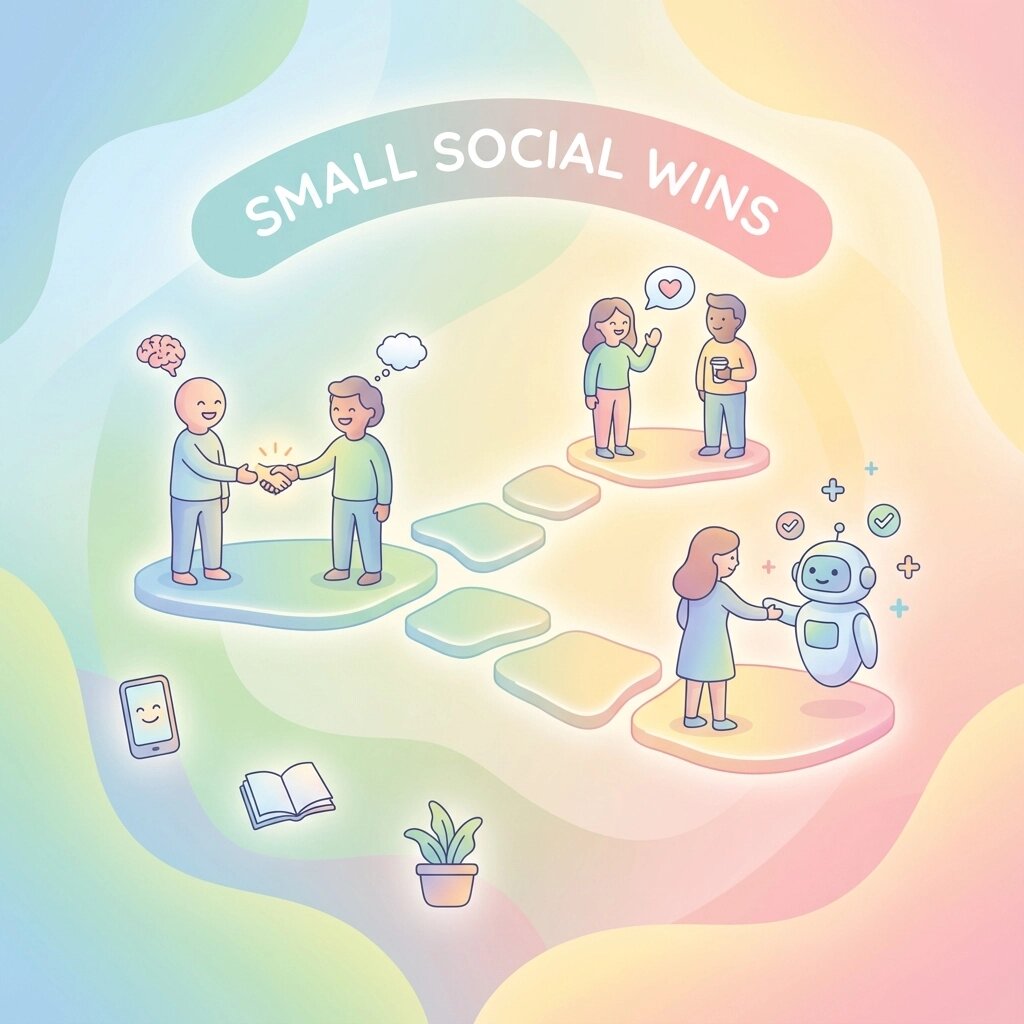
Social situations can feel overwhelming when your brain processes interactions differently. You might worry about saying the wrong thing, missing social cues, or feeling exhausted after what seems like simple conversations. But here’s the thing - building social confidence doesn’t require dramatic changes or forcing yourself to be someone you’re not.
Small, authentic steps in your daily life can create meaningful progress. You don’t need to master every social rule or become the life of the party. Instead, you can develop genuine connections and social comfort by working with your natural strengths and taking manageable steps forward.
Understanding Your Unique Social Style
Every neurodivergent person has their own social fingerprint. Some folks thrive in structured conversations about specific topics, while others prefer one-on-one interactions over group settings. Some love detailed planning for social events, while others need flexibility to leave when overwhelmed.
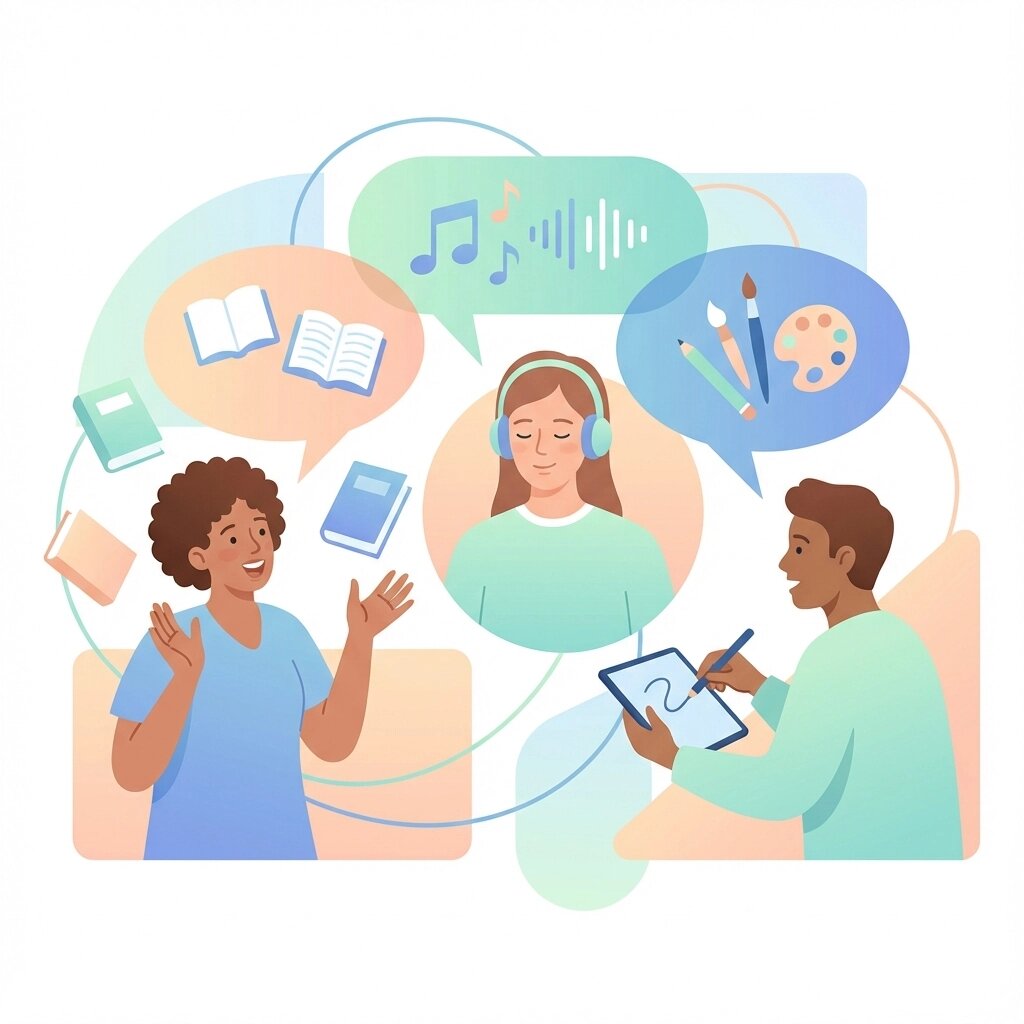
Start by identifying what actually works for you. Think about your best social interactions - what made them feel good? Maybe it was talking with someone who shared your interest in astronomy, or having a conversation while doing an activity like walking or crafting. These aren’t accidents; they’re clues about your social strengths.
Interest-based connections often feel the most natural. When you can connect with people around shared passions - whether that’s video games, plants, history, art, or anything else you genuinely care about - conversations flow more easily. You’re not performing or masking; you’re sharing something that matters to you.
Look for opportunities in your regular routine. Join online communities related to your interests, attend local meetups, or even strike up conversations at coffee shops when you’re wearing a t-shirt from your favorite show. These moments create natural entry points for connection.
Small Wins in Everyday Interactions
Social skills grow through practice, but that practice doesn’t have to be intimidating. Small interactions throughout your day offer perfect opportunities to build confidence without high stakes.
Practice brief, low-pressure exchanges. This might mean making eye contact and saying “thanks” to the barista, asking a store employee where to find something specific, or commenting positively on someone’s pet during a walk. These micro-interactions help you practice being present with others without the complexity of longer conversations.
Try the “one genuine comment” approach. In group settings or casual conversations, aim to make one authentic comment or ask one real question. This takes pressure off feeling like you need to contribute constantly while still engaging meaningfully.
Develop your self-advocacy skills. Learning to express your needs clearly is a superpower. Practice phrases like “I need a few minutes to process that,” “Can we find somewhere quieter to talk?” or “I’d love to hang out, but I’ll need to leave by 8 PM.” Clear communication about your needs actually makes relationships easier for everyone involved.
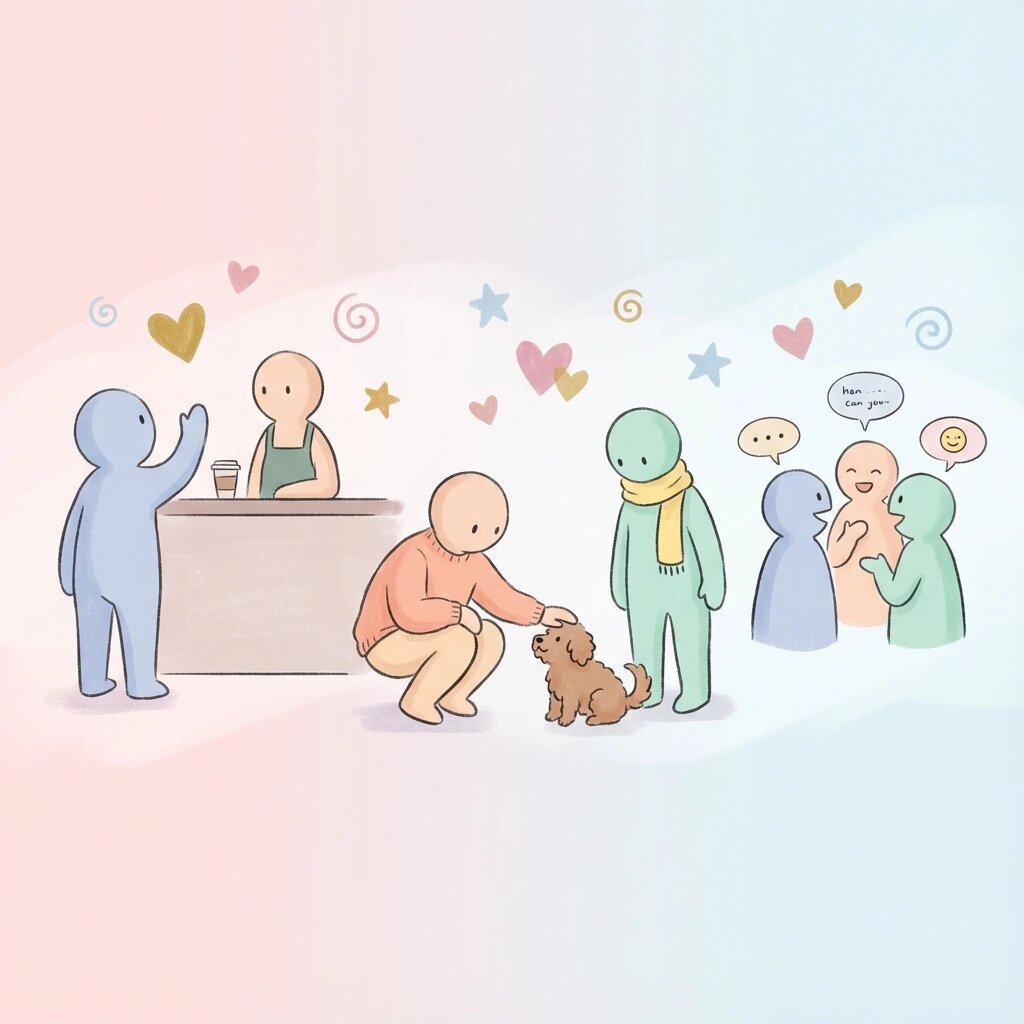
Notice and celebrate small moments of connection. Did you make someone smile? Did you help someone feel heard? Did you share something about yourself that felt authentic? These moments matter more than perfect social performance.
Creating Supportive Environments
You don’t have to torture yourself in overwhelming social situations to build social skills. Instead, modify environments to support your success.
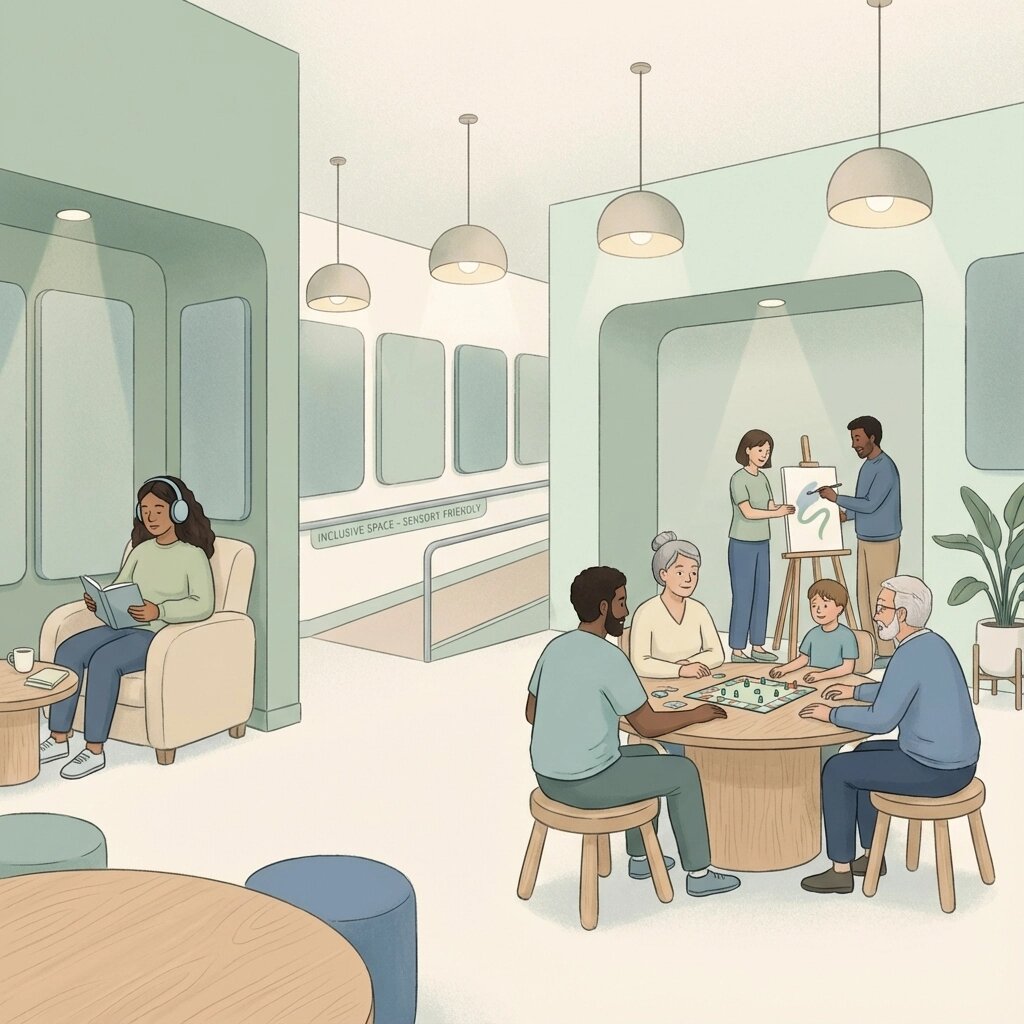
Choose settings that work for your sensory needs. If loud restaurants make you anxious, suggest coffee shops with good acoustics or outdoor spaces for meetups. If unexpected touch is overwhelming, meeting friends for activities like mini golf or pottery classes creates natural structure and personal space.
Plan for your energy levels. Social interactions require mental energy, especially when you’re processing multiple conversations, background noise, and social cues simultaneously. Schedule social activities when you typically feel most alert, and give yourself permission to keep interactions shorter when needed.
Create structure within social situations. Suggesting specific activities - like going to a museum, playing board games, or cooking together - provides natural conversation starters and reduces the pressure of unstructured socializing.
Build in recovery time. Plan quiet time after social activities to recharge. This isn’t antisocial; it’s smart self-care that helps you show up authentically in future interactions.
Building Confidence Through Practice
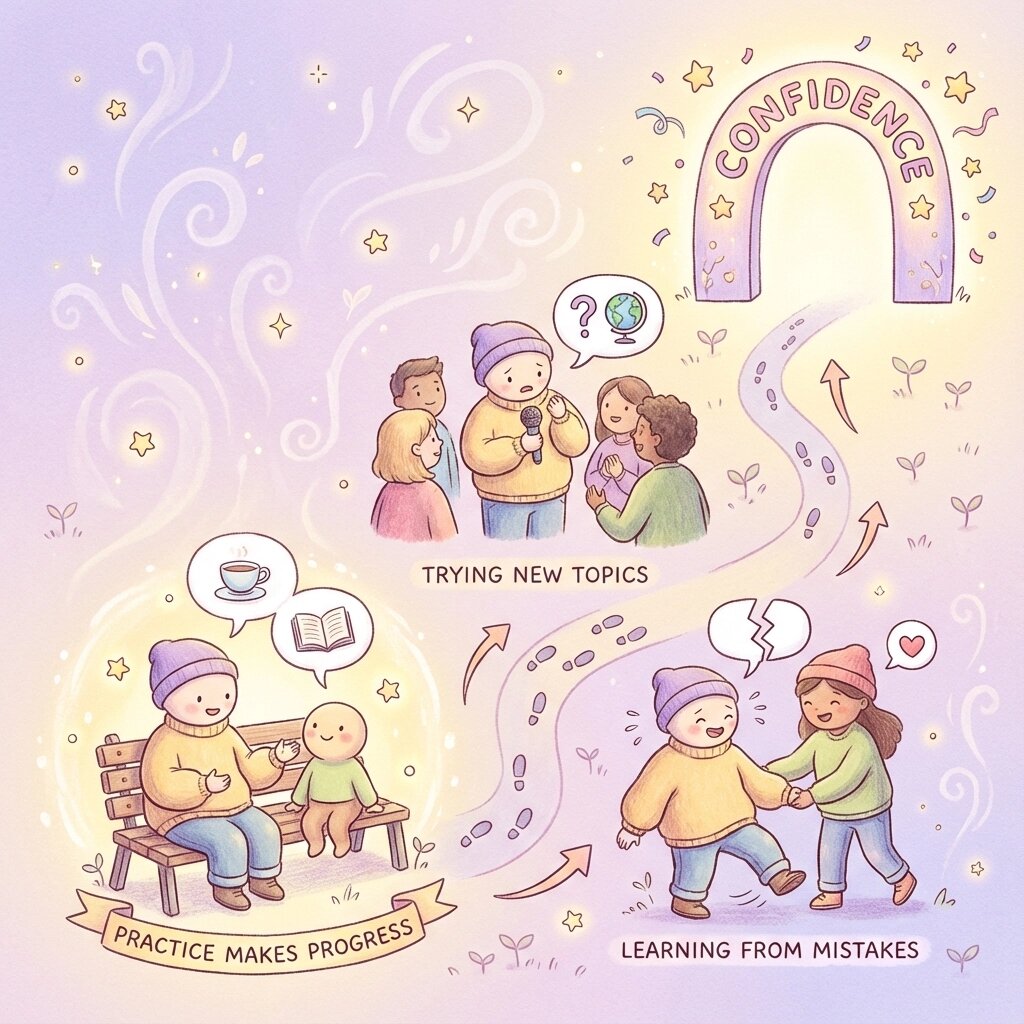
Social confidence grows when you practice skills in low-risk situations and gradually expand your comfort zone.
Start with people who already understand you. Family members, close friends, or understanding colleagues provide safe spaces to practice new social behaviors. You might try expressing disagreement politely, asking for help with something, or sharing more personal information about your interests.
Practice perspective-taking in everyday situations. This doesn’t mean mastering complex social manipulation. Instead, notice how your actions affect others’ feelings. When you hold the door for someone, do they seem appreciative? When you ask thoughtful questions about someone’s day, do they light up? These observations help you understand social cause and effect naturally.
Experiment with different conversation starters. Instead of defaulting to “How are you?” try asking about specific things: “How’s your garden doing?” or “Did you end up watching that show you mentioned?” Specific questions often lead to more engaging conversations.
Learn from social mistakes without harsh self-judgment. Everyone misreads social situations sometimes. When interactions don’t go as planned, try to identify one thing you might do differently next time, then let it go. Social skills improve through experience, not perfection.
Recognizing Progress That Matters
Progress in social skills often looks different than you might expect. Celebrating authentic improvements helps maintain motivation and confidence.
Notice emotional regulation wins. Maybe you stayed calmer during a misunderstanding with a friend, or you recovered more quickly after an awkward moment in a group conversation. These emotional skills are just as important as conversation techniques.
Celebrate authentic self-expression. Times when you shared your genuine interests, opinions, or needs - even if the response wasn’t perfect - represent real progress. Authentic connection requires authentic self-expression.
Value quality over quantity in relationships. Building one or two deeper friendships often feels more fulfilling than maintaining many surface-level connections. Some neurodivergent people develop large social circles, while others prefer intimate friendships. Both approaches are completely valid.
Acknowledge increased comfort with uncertainty. Social situations involve unpredictability. Noticing when you feel more comfortable with unexpected turns in conversations or changes in plans represents significant growth.
Track your energy management. Getting better at knowing when you need breaks, communicating your limits, or recovering more quickly after social events shows increasing self-awareness and social sustainability.
The Marathon Mindset
Social skills development happens over months and years, not weeks. Every person’s journey looks different, and that’s exactly how it should be.
Some neurodivergent people eventually feel comfortable in large groups and love hosting parties. Others prefer smaller gatherings and deeper conversations. Some become excellent public speakers, while others shine in one-on-one mentoring relationships. The goal isn’t to become socially indistinguishable from neurotypical people - it’s to navigate social situations in ways that feel authentic and fulfilling to you.
Your social development might include periods of rapid growth followed by plateaus. You might feel confident in some social contexts while still feeling challenged in others. This uneven progress is completely normal and doesn’t mean you’re doing anything wrong.
Focus on building relationships with people who accept you as you are. The most valuable social skill is recognizing which people appreciate your authentic self and investing your energy in those relationships. Friends who understand when you need to leave social events early, who appreciate your detailed knowledge about your interests, and who don’t expect you to be “on” all the time create the foundation for genuine social confidence.
Remember that social skills serve you - you don’t serve them. The purpose of developing these abilities is to create meaningful connections, express yourself authentically, and navigate daily interactions with greater ease and confidence. Every small step forward, every moment of genuine connection, and every time you honor your own needs while caring for others represents real progress worth celebrating.
Your neurodivergent brain brings unique perspectives, intense interests, creative thinking, and authentic communication to every relationship. These aren’t obstacles to overcome - they’re strengths to build upon as you create the social life that works for you.