Let’s be honest - traditional New Year’s resolutions weren’t designed with neurodivergent brains in mind. Those sweeping declarations about completely transforming your life? They often set us up for shame spirals and that familiar feeling of “failing” by February.
But here’s the thing: you don’t need to abandon goal-setting entirely. You just need an approach that actually works for how your brain operates.
Why Traditional Resolutions Fall Short
Most New Year’s advice assumes everyone’s brain works the same way. It doesn’t account for executive function differences, sensory sensitivities, or the way many neurodivergent people experience motivation and focus.
Traditional resolutions often include:
-
Vague, overwhelming goals
-
All-or-nothing thinking
-
Shame-based language (“I should…”)
-
Rigid timelines that don’t flex with your reality
-
No consideration for your actual interests or strengths
No wonder so many of us feel like we’re constantly falling behind some invisible standard.

A Different Approach: Goals That Actually Fit Your Brain
Instead of forcing yourself into neurotypical goal-setting boxes, let’s create something that works with your neurodivergent strengths.
Start With What You Want, Not What You “Should” Want
Replace every “should” in your goal-setting vocabulary. Seriously. That word carries so much guilt and external pressure.
Instead of: “I should exercise more”
Try: “I want to feel energized and strong”
This shift moves you from obligation to intention. You’re choosing something you actually want, not something society tells you to want.
Make It Micro
Big goals feel paralyzing when your brain struggles with executive function. Break everything down into the smallest possible steps.
Instead of: “Get organized”
Try: “Spend 5 minutes clearing my desk each morning”
These micro-goals build momentum without triggering overwhelm. Each small win reinforces that you can do this.

Connect Goals to Your Interests
Your hyperfocus and special interests aren’t obstacles to productivity - they’re superpowers. Use them.
Love gaming? Gamify your goals with progress bars and achievement unlocks. Obsessed with spreadsheets? Create detailed tracking systems. Into art? Visual goal journals might be your thing.
When goals align with what genuinely interests you, motivation becomes natural instead of forced.
Practical Strategies That Work
The “If-Then” Planning Method
This science-backed technique is perfect for neurodivergent brains because it outsources decision-making to environmental cues.
Create specific plans like:
-
“If I finish breakfast, then I’ll take my vitamins”
-
“If I feel overwhelmed, then I’ll step outside for 2 minutes”
-
“If it’s 3 PM, then I’ll do one small organizing task”
This removes the mental load of constantly deciding when and how to work toward your goals.
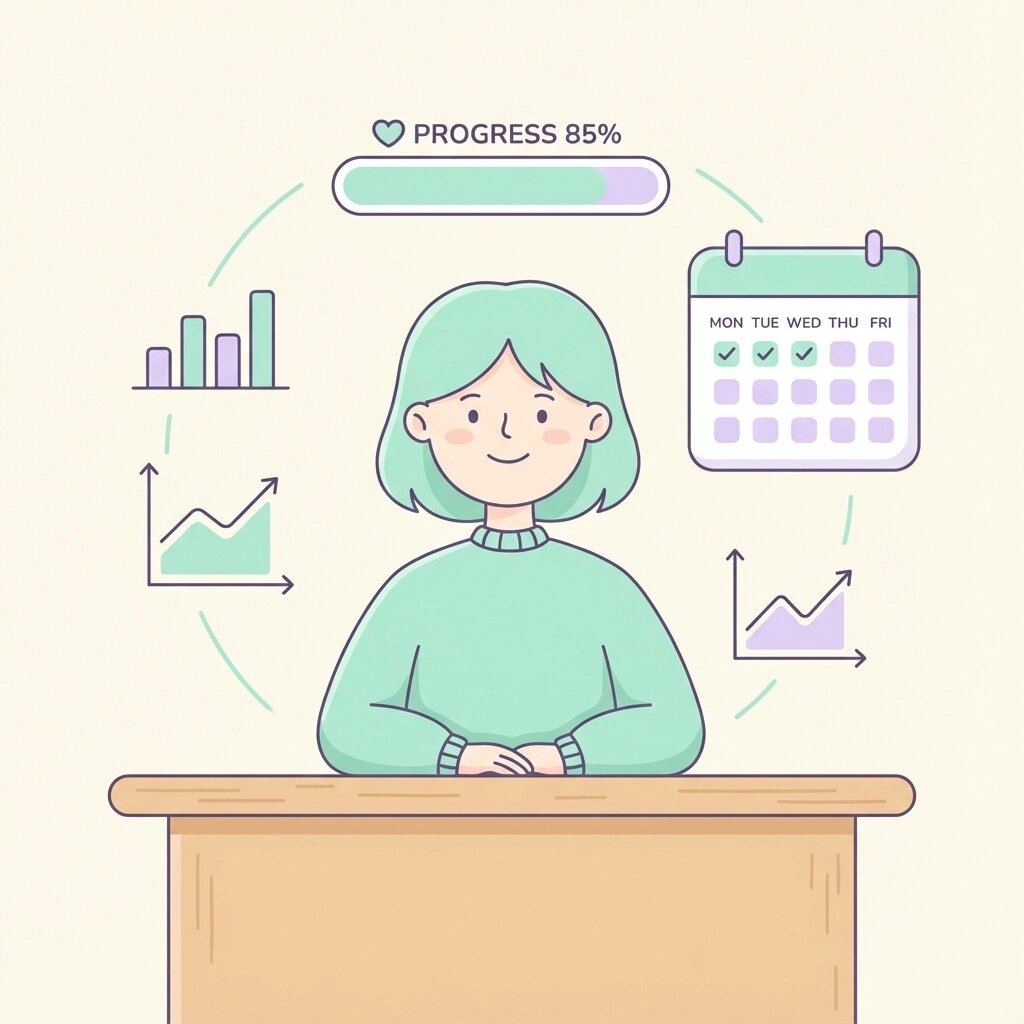
Visual Progress Tracking
Many neurodivergent people are visual learners. Make your progress impossible to ignore:
-
Habit trackers with satisfying checkboxes
-
Progress bars drawn on sticky notes
-
Calendar marking with fun stickers
-
Before/after photos for organizing projects
Seeing progress keeps motivation alive during tough days.

The Energy-Based Approach
Instead of rigid schedules, match goal activities to your natural energy patterns.
High-energy times: Tackle bigger tasks or new habits
Medium-energy times: Maintenance activities
Low-energy times: Rest or gentle activities that still move you forward
This honors your natural rhythms instead of fighting them.
Focus on Systems, Not Outcomes
Rather than “lose 20 pounds,” focus on “eat breakfast every day” or “take a 10-minute walk after lunch.” Systems create sustainable change without the pressure of specific outcomes.
Real-Life Goal Examples
Here are some neurodivergent-friendly goals that actual people have found success with:
For Better Sleep:
-
Place phone in another room by 9 PM
-
Do one calming activity after dinner
-
Keep bedroom temperature at 68°F
For Social Connection:
-
Send one text per week to a friend
-
Attend one social event per month (even if brief)
-
Join one online community related to your interests
For Organization:
-
Set a 10-minute timer and organize whatever’s in front of you
-
Put things back immediately after using them (just for one room to start)
-
Do a 2-minute pickup before bed
For Learning:
-
Watch one educational video during lunch
-
Read for 15 minutes before checking social media
-
Learn five new words in a language you’re curious about each week
Notice how specific and small these are? That’s intentional.
When Goals Need to Change (And That’s Okay)
Flexibility isn’t failure - it’s adaptation. Your goals should serve you, not the other way around.
Maybe your “morning routine” goal worked great in winter but feels impossible now that daylight savings changed everything. Maybe your social goal felt perfect until sensory sensitivities flared up.
That’s not you failing. That’s your brain giving you information about what works and what doesn’t.
Permission to Pivot
Give yourself explicit permission to:
-
Modify goals that aren’t working
-
Pause goals during difficult periods
-
Celebrate partial progress
-
Change your mind completely
Your goals exist to improve your life. If they’re creating stress instead of satisfaction, it’s time to adjust.
The Self-Compassion Factor
Here’s what nobody tells you about goal-setting: the kindness you show yourself matters more than the specific goals you choose.
Neurodivergent brains often come with extra helpings of rejection sensitivity and perfectionism. This means every small setback can feel like catastrophic failure.
Practice talking to yourself like you would a good friend. Notice harsh self-talk and gently redirect it. “I messed up again” becomes “I’m learning what works for me.”
Building Your Support System
You don’t have to do this alone. Consider:
-
Body doubling for accountability (working alongside someone, even virtually)
-
Sharing goals with understanding friends or family
-
Finding neurodivergent communities online
-
Working with therapists or coaches who understand neurodivergent experiences
At ThriveUp Care, we understand that support looks different for everyone. Sometimes you need professional guidance, sometimes peer connection, and sometimes just the validation that your way of doing things is perfectly valid.

Your Goals, Your Timeline
The calendar says January 1st, but your goal-setting journey can start whenever feels right for you. Maybe it’s March when you finally feel ready. Maybe it’s every Monday. Maybe it’s right now.
There’s no deadline for deciding to be kind to yourself or work toward something meaningful. Your timeline is yours to choose.
Remember: progress isn’t linear, perfection isn’t the point, and small steps count just as much as big ones. Your neurodivergent brain isn’t broken - it just needs strategies that actually fit how you work best.
Start where you are, use what works, and adjust as you go. That’s not just good goal-setting advice - it’s a pretty solid life philosophy too.