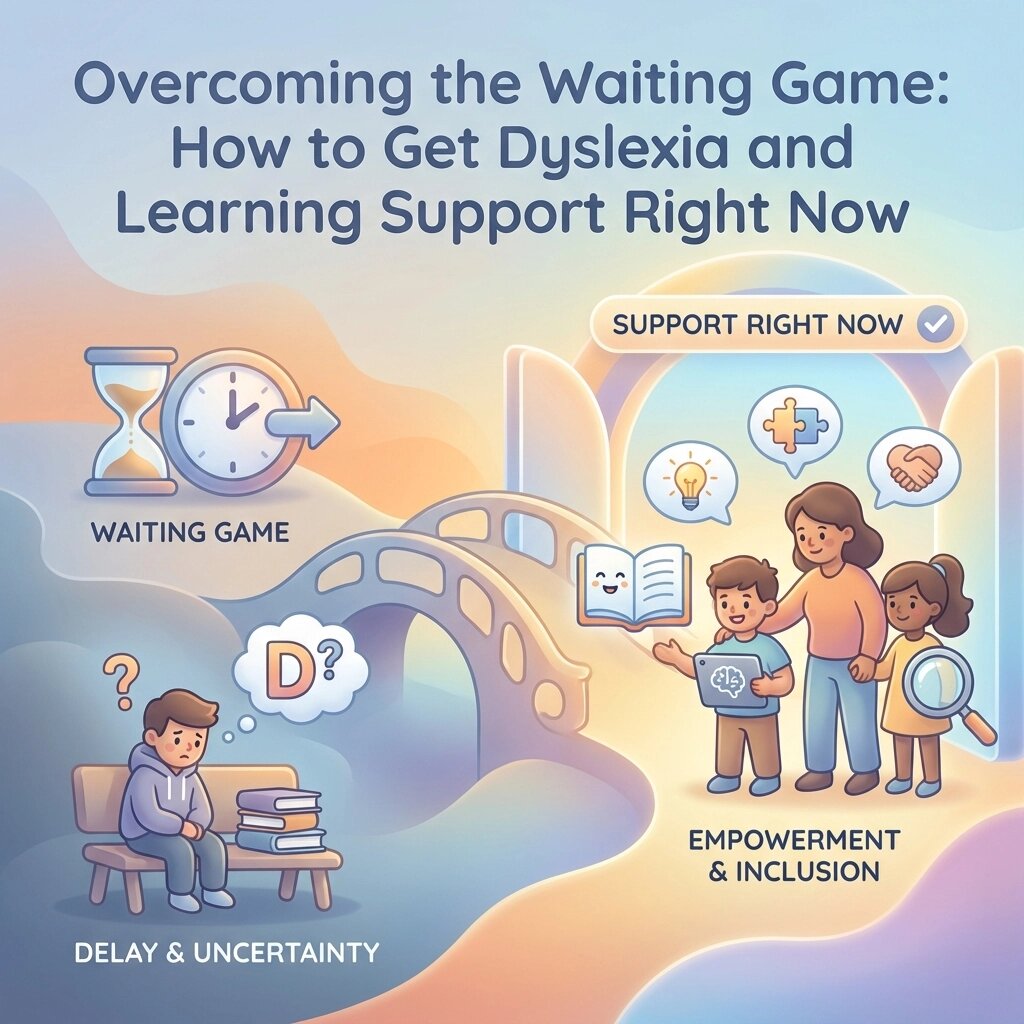
You’re not alone in feeling frustrated by long wait times for dyslexia assessments and support. Whether you’re waiting months for an official diagnosis or struggling to find the right resources for yourself or your child, the waiting game can feel overwhelming. The good news? You don’t have to sit back and wait. There are concrete steps you can take today to get meaningful support.
Why Waiting Isn’t Your Only Option
Here’s something important to understand: you don’t need an official diagnosis to start getting help. While formal assessments are valuable, they shouldn’t be a barrier to accessing support right now. Many effective strategies and resources are available immediately, and starting early intervention often leads to better outcomes.
The research is clear on this point - prevention is always easier than remediation, and learning differences don’t disappear on their own. Every day you take action is a day you’re moving forward, regardless of where you are in the official assessment process.

Start With What You Can Control Today
Schedule Initial Consultations Immediately
Don’t wait for the “perfect” provider or program. Start by scheduling initial consultations with dyslexia specialists, learning support tutors, or educational therapists in your area. Many providers offer these first meetings within days or weeks rather than months.
These initial meetings serve several important purposes:
-
They establish a baseline understanding of current challenges
-
They help create a personalized action plan
-
They get you into a provider’s system, often moving you up wait lists
-
They provide immediate validation and direction
Some clinics structure their evaluations on specific days of the week, so you can plan accordingly and get on their calendar faster than you might expect.
Embrace Virtual Support Options
One of the fastest ways to bypass local waiting lists is to explore virtual therapy and support programs. These services connect you with certified specialists without geographical limitations, often with much shorter wait times than in-person options.
Virtual programs offer several advantages:
-
Greater accessibility and flexibility
-
No travel time or transportation barriers
-
Often more affordable than in-person services
-
Access to specialists who might not be available in your area
Many virtual programs report impressive results. Some students make a full grade level of reading gains in just eight weeks through consistent, expert-designed instruction. Others see dramatic improvements in reading speed - from 48 to 109 words per minute in four months.
Evidence-Based Approaches You Can Access Now
When you’re researching programs and providers, focus on those using proven methodologies. Here’s what to look for:
Structured Literacy Methods
Programs based on Orton-Gillingham principles and Science of Reading approaches consistently deliver measurable results. These include:
-
Wilson Reading System
-
Alphabetic Phonics (Take Flight)
-
Slingerland methods
These approaches work because they’re systematic, explicit, and multisensory. They teach reading and spelling in a logical, structured way that works with how dyslexic brains learn best.

Intensive Support Models
Look for programs that offer intensive, frequent sessions. Research shows that dyslexic children need at least twice-weekly sessions as a minimum for effective progress. More frequent sessions often lead to faster, more dramatic improvements.
Some programs report students making significant gains in relatively short timeframes when the instruction is consistent and high-quality. This doesn’t mean quick fixes exist, but it does mean that intensive, evidence-based support can create meaningful change relatively quickly.
Questions That Cut Through the Wait
When you contact potential tutors, therapists, or programs, ask these specific questions to identify providers who can help you move forward quickly:
Practical Information:
-
What is their hourly fee and cancellation policy?
-
How many sessions per week do they recommend?
-
What’s their typical timeline for getting started?
-
Do they offer a free consultation to meet and assess fit?
Qualifications and Approach:
-
Are they certified in an evidence-based system like Orton-Gillingham?
-
Can they explain their specific methodology?
-
Can they provide references from current families?
-
How do they measure and track progress?
Flexibility and Understanding:
-
Do they understand neurodivergent needs and sensitivities?
-
Can they accommodate scheduling changes or sensory needs?
-
Do they work collaboratively with families?
Alternative Paths Forward
If traditional routes have long waits, consider these options that might be available sooner:
Private Schools and Specialized Programs
Some private schools specifically serve dyslexic students and may have more immediate openings than you’d expect, especially mid-year. While this represents a significant investment, it can provide comprehensive, immediate support.
Certified Private Tutors
Individual tutors trained in Orton-Gillingham methods often have more flexible schedules and shorter wait times than larger clinics. They can provide intensive, personalized support and often work around your family’s schedule.
Parent Training Programs
Consider getting trained yourself in evidence-based methods. Many organizations offer parent training programs that teach you to provide structured literacy instruction at home. This approach gives you immediate tools while you wait for other services.
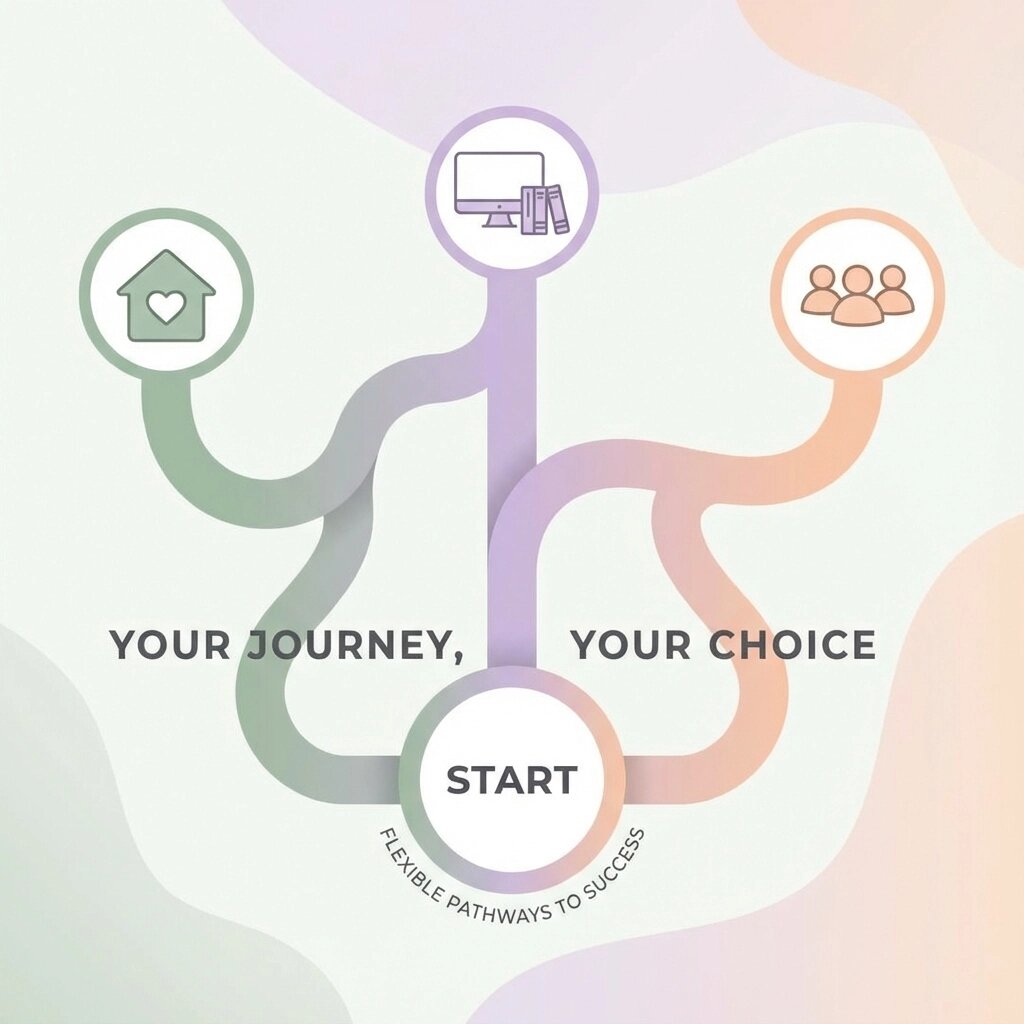
School-Based Interventions
Work with your child’s school to implement early intervention programs. Some schools can arrange trained volunteer tutors or small group interventions while you’re waiting for outside services.
Building Your Support Network
While you’re accessing professional help, remember that support comes in many forms. Connect with other families dealing with dyslexia and learning differences. Online communities, local support groups, and parent networks can provide practical advice, emotional support, and resource sharing.
Many parents find that connecting with others who “get it” reduces the isolation and stress that often comes with navigating learning differences. These connections can also lead to resource sharing, recommendation exchanges, and collaborative support strategies.
Taking Action Despite Uncertainty
You might feel uncertain about which path to choose or worry about making the “wrong” decision. Here’s the truth: taking action, even imperfect action, is better than waiting for the perfect solution.
Start with one small step today. Maybe it’s calling a local tutor, researching virtual programs, or connecting with a parent support group. Each action builds momentum and gets you closer to the support you need.
Remember, you already understand that support is needed - the challenges are real and visible. The delay itself has become the main obstacle, and taking action today eliminates that obstacle entirely.

Moving Forward With Confidence
Getting dyslexia and learning support doesn’t have to be a months-long waiting game. By taking immediate action, exploring virtual options, focusing on evidence-based approaches, and asking the right questions, you can start making progress today.
The most important thing is to start. Whether that means scheduling a consultation, researching programs, or connecting with other families, each step forward is meaningful. Your proactive approach today will pay dividends in improved confidence, skills, and outcomes.
You don’t have to wait for permission, perfect timing, or official diagnoses to begin supporting yourself or your child. The tools, resources, and providers are out there, and many are available much sooner than you might think. Take that first step today - you’ve got this.