Let’s talk about something that doesn’t get nearly enough airtime: neurodivergent joy. Not the “inspiration porn” version where everything is sunshine and rainbows, but the real, grounded recognition of genuine strengths and the small victories that actually matter.
Your neurodivergent brain isn’t a broken version of someone else’s. It’s a different operating system entirely: one that comes with its own set of remarkable capabilities that deserve recognition and celebration.
The Strengths That Make You, You
The Deep Dive Advantage
That thing people call “obsession”? Let’s rename it: intense expertise development. When your ADHD brain hyperfocuses on something fascinating, you’re not just passing time: you’re developing genuine mastery. That deep dive into Victorian architecture or the complete discography of an obscure band isn’t random. It’s your brain doing what it does best: becoming exceptionally knowledgeable about things that captivate you.
This isn’t surface-level interest. This is the kind of expertise that leads to breakthrough innovations, creative solutions, and insights that neurotypical minds might miss entirely.
Pattern Recognition Superpowers
Your brain notices things others don’t. Those “random” connections you make between seemingly unrelated concepts? That’s pattern recognition working at a level that often surprises even professionals in various fields.
Maybe you’re the person who spots the flaw in a plan that everyone else missed. Maybe you see the creative solution hiding in plain sight. Maybe you notice the subtle changes in someone’s behavior that indicate they need support.
This isn’t luck or coincidence: it’s your neurodivergent brain processing information in ways that reveal patterns and possibilities that others simply don’t see.
Creative Problem-Solving That Changes the Game
Neurodivergent minds excel at approaching problems from angles that conventional thinking never explores. While others are following the established path, you’re often creating entirely new routes to the destination.
This isn’t just about being “creative” in the artistic sense (though that’s valuable too). This is about innovative thinking that solves real problems in ways that surprise and delight people. It’s the kind of thinking that starts with “what if we tried…” and ends with solutions no one else thought possible.
The Authenticity Advantage
Many neurodivergent people develop an early radar for authenticity versus performance. Years of feeling like you don’t quite fit the mold often result in becoming exceptionally good at recognizing genuine connection and meaningful work.
You might be the person who can tell immediately whether someone is being real with you. You might have little patience for small talk but amazing capacity for deep, meaningful conversations. You might gravitate toward work and relationships that feel authentic rather than just socially acceptable.
Small Victories Worth Celebrating
The Executive Function Wins
Did you remember to eat lunch today without seventeen phone alarms? That’s genuinely worth celebrating. Executive function challenges are real, and every small system that works for you represents problem-solving success.
Maybe you finally found a planner system that clicks with your brain. Maybe you managed to switch between tasks without losing three hours to transition paralysis. Maybe you advocated for yourself in a way that felt scary but necessary.
These aren’t “participation trophies”: they’re genuine accomplishments that required creativity, self-awareness, and persistence.
Sensory Management Successes
Figuring out your sensory needs and creating environments where you can thrive is no small feat. Every accommodation you make for yourself: the noise-canceling headphones, the fidget tools that help you focus, the lighting adjustments that make a space comfortable: represents self-advocacy and problem-solving.
When you successfully navigate a challenging sensory environment, or when you communicate your needs clearly enough that others understand and accommodate them, you’re demonstrating skills that many people never develop.
Social Interaction Victories
For many neurodivergent people, social interactions require conscious effort and strategy. When you successfully navigate a social situation that felt challenging, that’s worth acknowledging.
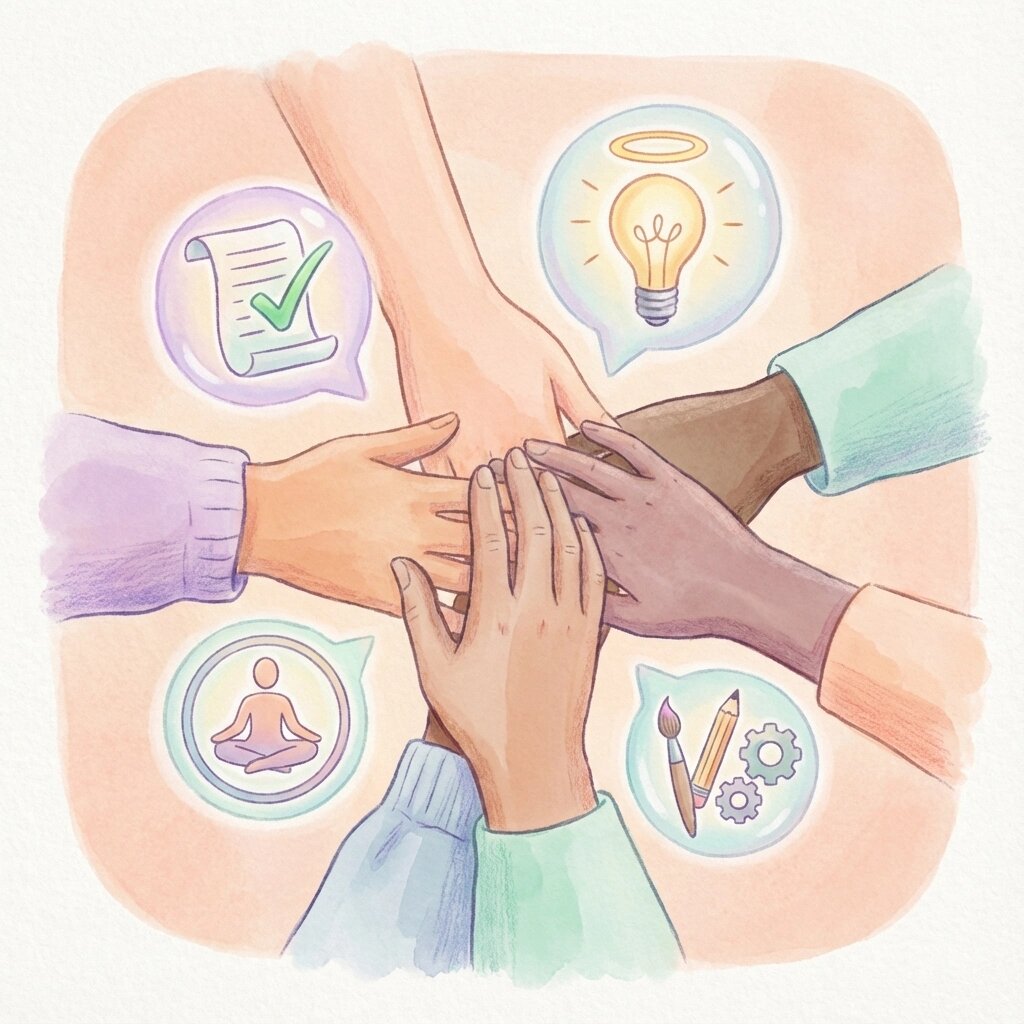
Maybe you managed to unmask safely with someone new. Maybe you successfully advocated for accommodations without apologizing for your needs. Maybe you found your people: the ones who appreciate your direct communication style and share your enthusiasm for deep conversations about specific topics.
The Learning Curve Celebrations
Every time you figure out how your particular brain learns best, you’re making progress that compounds over time. Maybe you discovered that you absorb information better through audio than visual input. Maybe you realized that you need movement to think clearly. Maybe you found that teaching others actually helps you understand concepts more deeply.
These discoveries about your own learning style aren’t just helpful: they’re demonstrations of self-awareness and adaptation that serve you for life.
Why Celebrating Actually Matters
Building Accurate Self-Perception
Years of being told you’re “too much” or “not enough” can seriously skew your self-perception. Actively recognizing your genuine strengths helps recalibrate your internal narrative to match reality.
You’re not celebrating arbitrary things to make yourself feel better. You’re acknowledging real capabilities and successes that you might have learned to minimize or dismiss.
Creating Sustainable Motivation
When you recognize what’s working, you’re more likely to keep doing it. When you celebrate the strategies that help you thrive, you reinforce the behaviors and approaches that actually serve you.
This isn’t about toxic positivity or pretending everything is easy. It’s about recognizing progress and building on what works rather than constantly focusing on what needs to be fixed.
Modeling Self-Advocacy
When you celebrate your own successes and acknowledge your own strengths, you’re demonstrating to others (especially younger neurodivergent people) that it’s possible to have a positive relationship with your own brain.
This matters more than you might realize. Representation of neurodivergent joy and success helps counter the deficit-focused narratives that dominate conversations about neurodiversity.
The Compound Effect of Recognition
Here’s what happens when you start genuinely recognizing your strengths and celebrating your victories: you begin operating from a place of capacity rather than deficiency.
Instead of constantly trying to fix yourself, you start leveraging what works. Instead of apologizing for your brain, you start appreciating what it can do. Instead of seeing neurodivergence as something to overcome, you start seeing it as something to work with.
This shift doesn’t happen overnight, and it doesn’t mean you stop working on challenges or seeking support when you need it. It means you approach growth from a foundation of recognizing what’s already working rather than from a place of assuming everything needs to be different.
Your neurodivergent brain brings genuine value to the world. Your unique way of processing information, solving problems, and connecting with others isn’t a consolation prize: it’s a legitimate strength that deserves recognition.
Every small success you achieve while navigating a world that wasn’t designed for your brain is worth celebrating. Not because you need encouragement, but because you’re genuinely accomplishing things that require creativity, persistence, and skill.