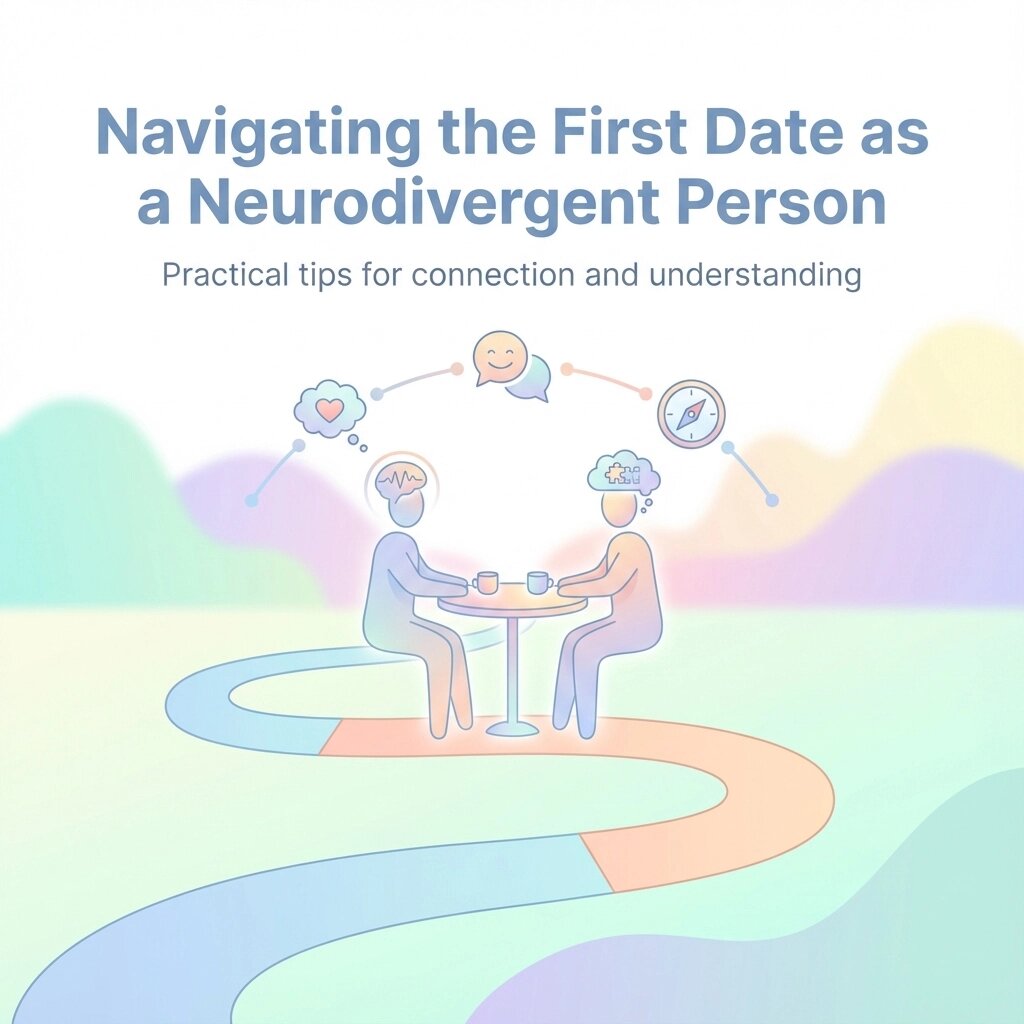
First dates can feel overwhelming for anyone, but when you’re neurodivergent, there are extra layers to consider. Between managing sensory needs, figuring out disclosure, and dealing with social expectations, it’s no wonder many of us feel anxious about dating. The good news? With some preparation and self-awareness, you can navigate first dates in a way that feels authentic and comfortable for you.
Know Yourself First
Before you even think about asking someone out, take time to understand your own needs and boundaries. This isn’t about “fixing” yourself: it’s about setting yourself up for success.
Understanding your sensory profile is crucial. What environments make you feel overwhelmed? Are you sensitive to loud noises, bright lights, or crowded spaces? Do certain textures or smells bother you? Maybe you need movement breaks, or perhaps you focus better when you have something to fidget with.
Write these down if it helps. When you know your triggers, you can make intentional choices about where and how you date, rather than forcing yourself into situations that will drain your energy before the date even begins.
Consider your communication style too. Do you need extra time to process what someone is saying? Are you more comfortable with text than phone calls? Do you struggle with eye contact or reading social cues? There’s nothing wrong with any of these traits: they’re just part of who you are.
The Disclosure Decision
One of the biggest questions neurodivergent people face is: when and how do I tell someone I’m neurodivergent?
Here’s the thing: you don’t owe anyone your complete story on a first date. It’s natural to present your best self early on. But intentionally hiding core parts of who you are can be exhausting and ultimately damaging to potential relationships.
Being upfront about your neurodivergence can actually work in your favor. It helps filter out people who won’t mesh well with you and attracts those who appreciate authenticity. You might mention it casually when making plans: “I do better in quieter places” or “I prefer texting to coordinate details.”
If you use communication devices, fidget tools, or other supports, introduce them as a normal part of who you are. Something like, “I use this app to help me communicate clearly” works perfectly fine.
Choosing the Right Setting
Location can make or break a first date when you’re neurodivergent. Skip the typical dinner-and-a-movie formula if it doesn’t work for you.
Avoid overstimulating environments like busy, noisy restaurants or crowded bars. A long, intense face-to-face dinner might feel like an interrogation if you find sustained eye contact challenging or struggle with sitting still in unfamiliar spaces.
Better first date options include:
• Taking a walk in a quiet park or garden
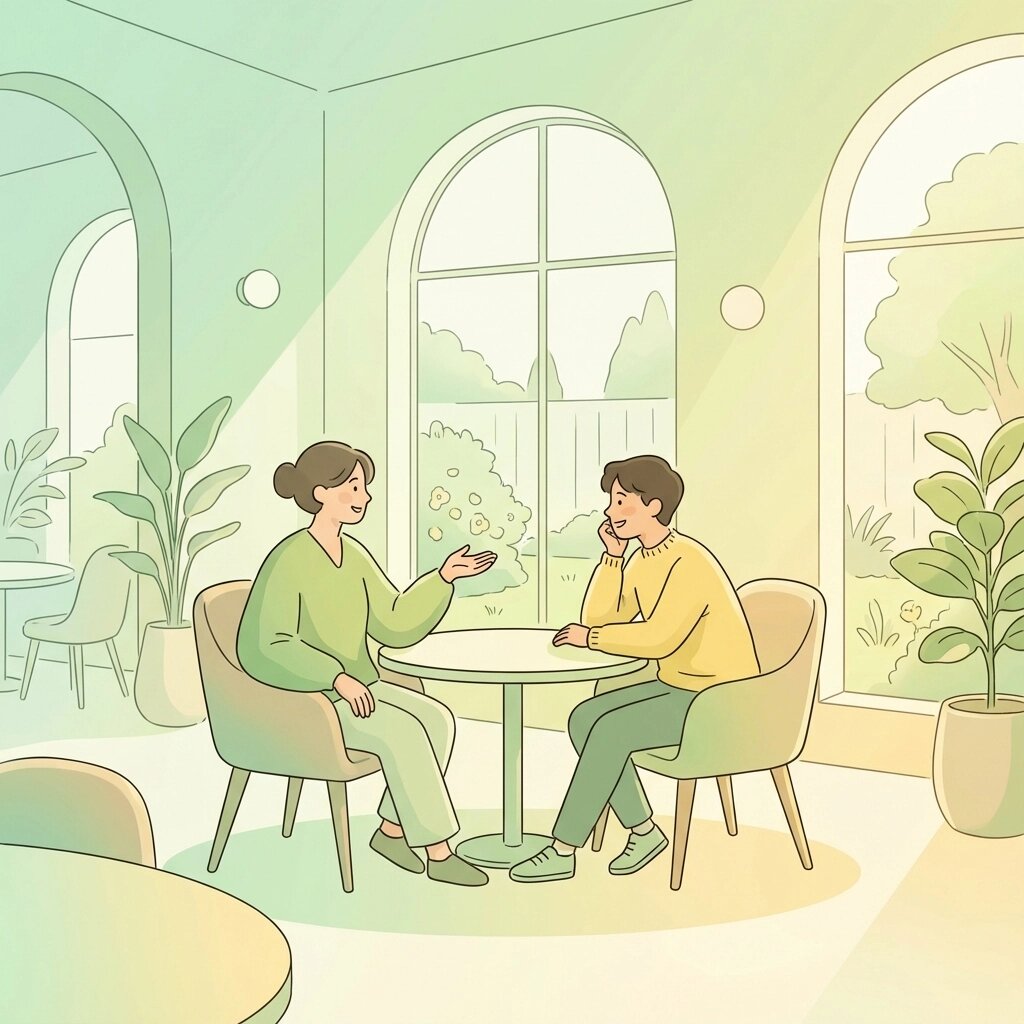
• Meeting for coffee with a nice view (gives you something to look at and talk about)
• Visiting a museum or art gallery during off-peak hours
• Doing an activity you both enjoy, like mini golf or browsing a bookstore
• Meeting at a farmer’s market or outdoor fair
The key is choosing somewhere that aligns with your energy levels and sensory needs. If you’re more comfortable in motion, suggest a walking date. If you need background noise to feel less pressure, a café during quieter hours might work well.
Before You Meet
Arrive on time or a few minutes early. This gives you a chance to center yourself, use the restroom, and get familiar with the space before your date arrives. Being punctual also shows respect for their time.
Have a plan for managing anxiety. Maybe that’s listening to calming music on the way there, bringing a small fidget item, or having a friend on standby for text support. Whatever helps you feel grounded.
Prepare some conversation topics if small talk doesn’t come naturally. Think about questions you can ask about their interests, hobbies, or experiences. Having a mental list takes pressure off in the moment.
During the Date
Focus on being present with your date. Ask questions about things they enjoy and try to remember details you can reference later. This shows genuine interest and helps build connection.
Keep conversations light and fun rather than diving into heavy personal topics right away. Avoid asking overly personal questions about their living situation, finances, or past relationships on a first date.
If you need processing time, communicate that. Many neurodivergent people are sensitive to emotions and need a moment to formulate thoughts clearly. If you go quiet, a simple “I’m just processing what you said” can help your date understand you’re engaged, not disinterested.
Manage your energy throughout the date. If you need a bathroom break to decompress, take it: but keep it brief. If you’re feeling overwhelmed, it’s okay to say something like, “This place is getting pretty busy. Want to walk outside for a few minutes?”
Be yourself with your stims and behaviors, within reason. You don’t need to completely mask who you are, but save more obvious stimming for when you’re more comfortable with someone. If you need to fidget, small hand movements or a fidget toy are usually fine.
Handling Physical Boundaries
Physical intimacy moves at your pace, not some arbitrary timeline. Be clear about your boundaries regarding personal space, physical touch, and intimacy, and communicate them respectfully.
You might say something like, “I’m enjoying getting to know you, but I prefer to take physical things slowly” or “I’m not much of a hugger, but I’m really glad we did this.”
Don’t feel pressure to hug or kiss if that doesn’t feel right. A warm “I had a great time, thank you” is perfectly appropriate for ending a first date.
Staying Flexible (Without Losing Yourself)
Dating requires some flexibility, but that doesn’t mean abandoning your needs. Be open-minded when it’s safe to do so, but don’t compromise on things that are genuinely important for your wellbeing.
Maybe your date suggests changing locations mid-date. If you can handle it and want to be accommodating, great. But if the new place would be overwhelming or make you uncomfortable, it’s completely fine to suggest an alternative or stick with the original plan.
Give people grace when they don’t understand something perfectly. Not everyone will immediately “get” your needs, and that’s okay as long as they’re respectful and willing to learn.
Wrapping Up the Date
Let the conversation naturally wind down rather than forcing an abrupt ending. Sometimes you might end up talking longer than planned, and that’s fine if you’re both enjoying it.
Be honest about your energy levels. If you’re getting overwhelmed or need to end the date, you can say something like, “I’ve really enjoyed this, but I’m starting to get tired. Should we call it a night?”
Thank them for their time whether the date went well or not. A simple “Thanks for a lovely evening” shows maturity and respect.
After the Date
Send a follow-up text within 24 hours to thank them for the time together. Something like, “Thanks for a great time yesterday! I really enjoyed our conversation about [specific topic].”
Wait for a response before asking about a second date. If they respond positively, you can suggest meeting again. If they seem busy or make excuses, that’s usually a polite way of saying they’re not interested: and that’s completely okay.
Respect their communication style. Some people prefer texting, others like phone calls. Pay attention to how they communicate and try to match their energy level.
Remember: You Deserve Connection
Dating as a neurodivergent person isn’t about finding someone who will “tolerate” your differences: it’s about finding someone who genuinely appreciates and values who you are. The right person will see your unique perspective, communication style, and way of experiencing the world as strengths, not obstacles.
You don’t need to change fundamental parts of yourself to be loveable. You need to find people who appreciate authenticity and are willing to learn alongside you.
Every date is practice, whether it leads to a second date or not. Each interaction teaches you something about your preferences, boundaries, and what you’re looking for in a partner.
Trust your instincts. If someone makes you feel like you need to mask constantly or apologize for your neurodivergence, they’re probably not the right match. The right person will make you feel comfortable being yourself.
First dates don’t have to be perfect to be successful. They just need to be authentic to who you are and what you need. With some preparation and self-compassion, you can navigate dating in a way that feels genuine and sustainable for you.