Let’s be honest: the thought of interacting with law enforcement can feel overwhelming for anyone, but as a neurodivergent or autistic person, you might face unique challenges that others don’t fully understand. Maybe you struggle with eye contact, need extra time to process questions, or communicate differently. That’s completely valid, and you deserve to feel safe and supported during these encounters.
The good news? There are practical, straightforward ways to prepare for and navigate these situations. You don’t need to change who you are: you just need the right tools and strategies to communicate your needs clearly.
Understanding the Common Challenges
Before we dive into solutions, let’s acknowledge what makes these interactions particularly difficult for neurodivergent individuals. Recognizing these challenges isn’t about dwelling on problems: it’s about preparing for them.
Sensory overwhelm is huge. Flashing lights, sirens, multiple voices, and radio chatter can quickly become too much to handle. When your nervous system is already on high alert, processing verbal instructions becomes even harder.
Communication differences often get misunderstood. Not making eye contact, taking longer to respond, speaking in a monotone voice, or needing questions repeated can be misinterpreted as being uncooperative or suspicious.
Stimming behaviors like rocking, hand-flapping, or fidgeting might look concerning to someone who doesn’t understand they’re actually helping you self-regulate. Similarly, if you’re nonverbal or have limited speech, officers might not immediately recognize your communication style.
Literal thinking can create confusion too. If an officer asks, “Do you know why I stopped you?” and you answer honestly with “No,” they might interpret this as being difficult rather than genuinely not understanding the reason.
Preparation Makes All the Difference
The most effective thing you can do is prepare before you ever need these strategies. Think of it like having a first aid kit: you hope you’ll never need it, but you’re so much better off if you do.
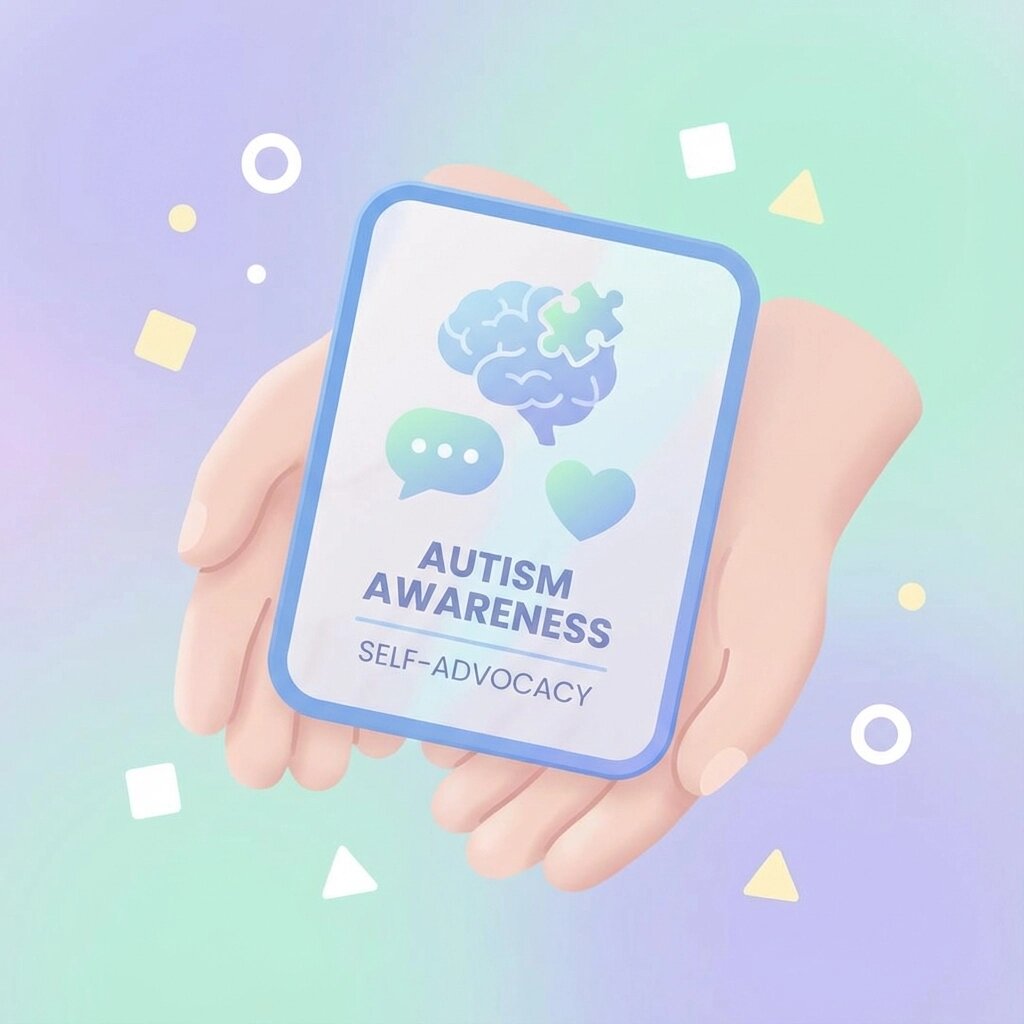
Create a simple information card that explains your neurodivergence in clear, brief terms. Keep it laminated in your wallet, purse, or car. Your card might say something like: “I am autistic. I may not make eye contact or respond quickly. I am not being disrespectful: this is how I communicate best. I have additional information if needed.”
Set up emergency contacts in your phone with clear labels like “Emergency Contact” or “Advocate.” Make sure these people know they might get called and understand your communication needs. Some people also add medical information to their phone’s lock screen.
Practice simple scripts ahead of time. Having go-to phrases ready reduces the pressure of thinking on the spot. Try phrases like:
-
“I am autistic and may need extra time to answer”
-
“I communicate best when it’s quiet”
-
“I have an information card that explains my needs”
-
“I use AAC to communicate: may I show you my device?”
If you use AAC, prepare specific phrases or symbols for these situations. Consider having ready-made messages like “I am not being uncooperative,” “I need a moment to process,” or “May I contact my support person?”
During the Encounter: Your Action Plan
When you find yourself interacting with law enforcement, remember that staying calm helps everyone involved: but don’t pressure yourself to be perfect. You’re doing your best in a stressful situation.
Move slowly and keep your hands visible. This is important for everyone’s safety. If you need to reach for your information card, tell the officer first: “I have information about my autism in my wallet. May I get it for you?”
Use your preparation tools immediately. Don’t wait to see if you can handle the interaction without them. Hand over your information card right away if possible, or clearly state that you’re neurodivergent and may need accommodations.
Ask for what you need. It’s completely okay to say:
-
“Could you turn off the flashing lights? They’re overwhelming me”
-
“I need a quieter space to think clearly”
-
“May I have a moment to process that question?”
-
“Could you repeat that instruction more slowly?”
Explain your behaviors if needed. If you stim or fidget, a quick explanation can prevent misunderstandings: “I rock back and forth when I’m nervous: it helps me stay calm” or “I need to hold this item to manage my anxiety.”
Use your AAC device confidently. Don’t apologize for needing it. Show the officer how it works if they seem confused, and use pre-programmed phrases to explain your communication style.
Know Your Rights and Safety Options
You have the same rights as anyone else, plus additional protections under disability laws. Understanding these rights empowers you to advocate for yourself effectively.
You can request accommodations during questioning. This might mean asking for a support person to be present, requesting written rather than verbal communication, or needing breaks if you become overwhelmed.
You have the right to an advocate in many situations, especially if you’re being questioned as a witness or victim. This could be a family member, friend, or disability advocate who understands your communication needs.
Ask for a supervisor or mental health crisis team if you feel the officer doesn’t understand your needs. Many police departments now have specialized training or personnel for these situations.
Document the interaction if possible and safe to do so. Having a record can be important if issues arise later, and it can help improve training and awareness in your community.

Building Community Awareness
Here’s something that might surprise you: many law enforcement officers want to do better but lack training on neurodivergent interactions. You can help create positive change in your community.
Consider introducing yourself to your local police department during a calm, non-emergency time. Bring a family member or advocate if that feels more comfortable. Share your information card and explain your communication style. This proactive step can make future interactions much smoother.
Connect with local disability advocacy groups that work on police training initiatives. Your experiences and insights are valuable for developing better policies and training programs.
Share resources when appropriate. Many autism organizations have excellent materials for law enforcement that explain neurodivergent behaviors and effective communication strategies.
Supporting Others in Your Community
Your preparation and advocacy don’t just protect you: they help create a safer environment for other neurodivergent individuals too.
Share successful strategies with friends, family, and online communities. What works for you might help someone else feel more prepared and confident.
Mentor other neurodivergent individuals who may be nervous about these interactions. Your experience navigating these situations successfully can be incredibly reassuring to others.
Advocate for better training in your community. Attend city council meetings, connect with disability rights organizations, or simply share educational resources with local law enforcement when opportunities arise.
Remember, you deserve to be treated with respect and understanding. Your neurodivergence isn’t something to hide or apologize for: it’s part of who you are, and with the right preparation and strategies, you can navigate these interactions safely and confidently.
The key is preparation, clear communication, and knowing that you have rights and resources available to you. You’ve got this, and you don’t have to face these challenges alone.