
Christmas doesn’t have to feel overwhelming. If you’re neurodivergent or supporting someone who is, you probably already know that traditional holiday celebrations can sometimes feel more stressful than joyful. The good news? You have complete permission to create a Christmas that works for you – no explanations needed.
Let’s explore practical ways to make your holiday celebration comfortable, predictable, and genuinely enjoyable. Because everyone deserves to feel safe and happy during the holidays.
Planning Ahead: Your Secret Weapon Against Holiday Stress
The key to a neurodivergent-friendly Christmas is predictability. When you know what to expect, you can actually relax and enjoy yourself.
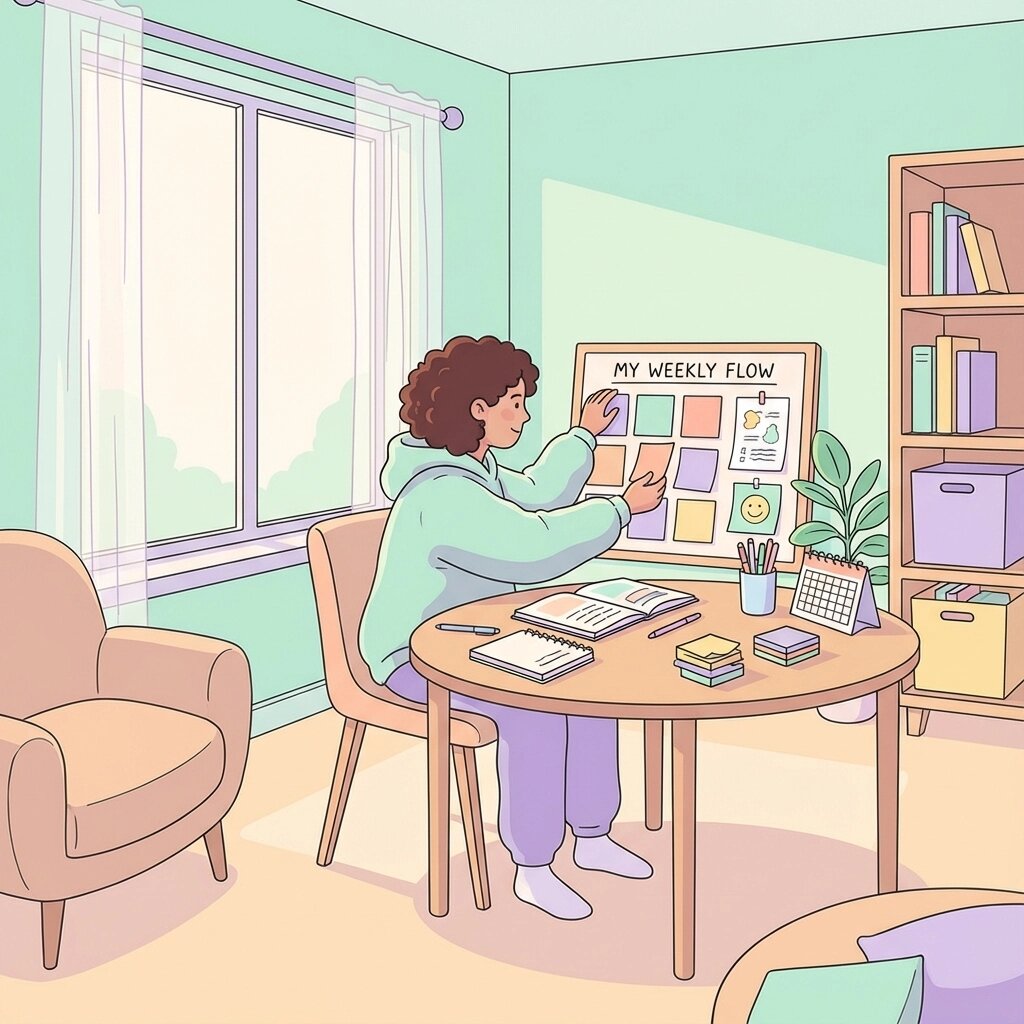
Start by creating a visual schedule for your celebration. This doesn’t need to be fancy – even a simple list or timeline works. Include details like:
-
Who’s coming and when they’ll arrive
-
What activities are planned and for how long
-
When meals will happen
-
Built-in break times
-
What backup plans exist if something changes
Pro tip: Review this schedule daily leading up to Christmas. Familiarity breeds comfort, not contempt.
Consider making a “What If” plan too. “If the music gets too loud, I can use my noise-canceling headphones.” “If I need quiet time, my room is always available.” Having these options ready removes the pressure of figuring things out in the moment.
Sensory-Friendly Decorating That Actually Works
Traditional Christmas decorations can be sensory nightmares – flashing lights, strong scents, scratchy textures, and overwhelming visual clutter. But you can absolutely have beautiful, festive decorations that feel good too.
Lighting solutions:
-
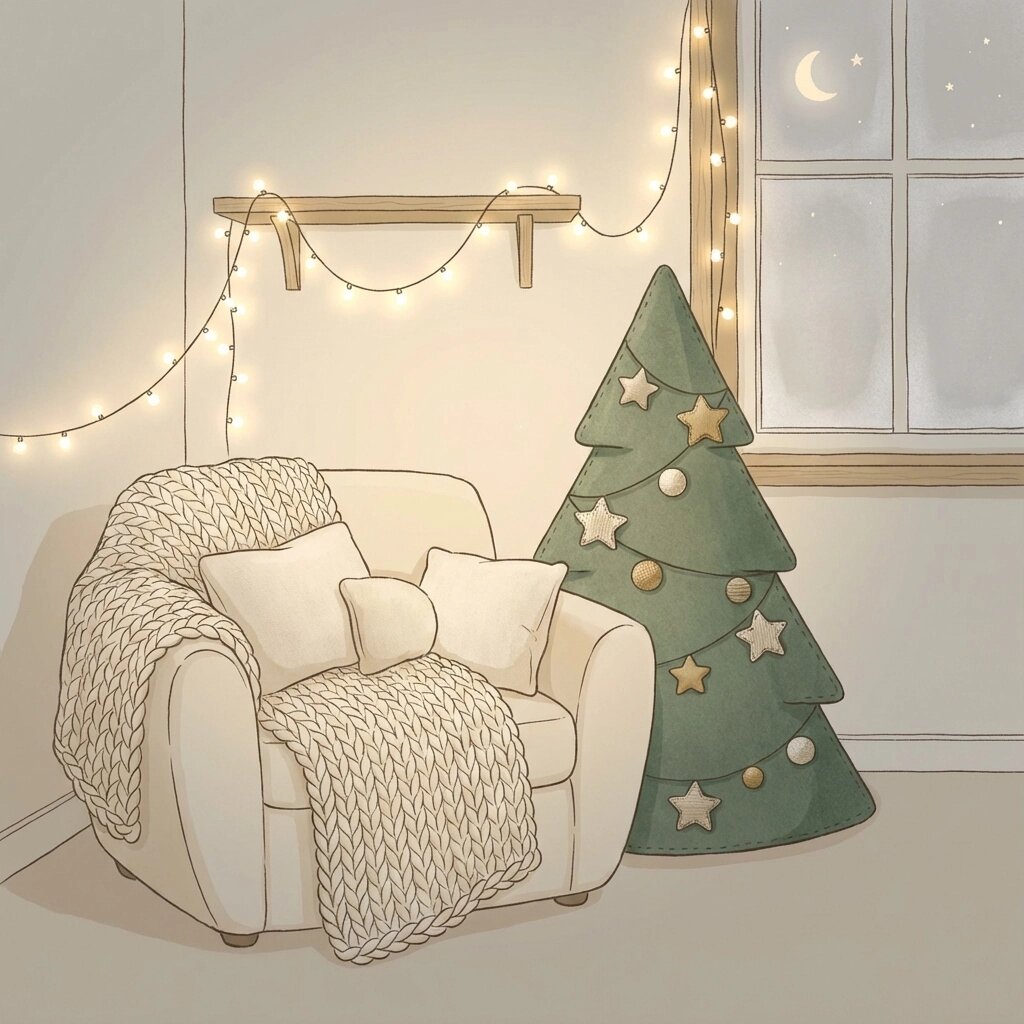
Choose warm, steady LED lights instead of flashing ones
-
Use dimmer switches or lamps instead of overhead lighting
-
Create a cozy corner with soft string lights and comfortable seating
Tree alternatives:
If traditional Christmas trees cause issues (pine scent sensitivity, prickly needles, or fire concerns), try these instead:
-
Felt or wooden decorative trees
-
Wall decals or painted tree murals
-
A “tree” made from books, lights, or other favorite objects
-
Artificial trees without scent
Decoration strategies:
-
Limit decorations to one or two rooms instead of the whole house
-
Use soft, touchable ornaments like fabric or wood instead of fragile glass
-
Choose decorations in calming colors that work with your sensory preferences
-
Create a “Christmas-free zone” somewhere in your home for decompression
Food and Meals: Keeping It Simple and Safe
Holiday meals often become pressure-filled events, but they don’t have to be. Your Christmas dinner can include exactly what foods work for you and your family.
Safe food strategies:
-
Serve familiar foods alongside any new holiday dishes
-
Create a “safe plate” with preferred foods before trying anything new
-
Use separate serving utensils to prevent cross-contamination of flavors
-
Have backup meals ready (yes, even if that’s chicken nuggets on Christmas)
Sensory-friendly food prep:
-
Involve neurodivergent family members in cooking at their comfort level
-
Use familiar textures and temperatures
-
Keep strong-smelling foods in separate areas
-
Offer food choices without pressure to try everything
Timing flexibility:
-
Eat when people are actually hungry, not when the clock says to
-
Allow grazing or multiple small meals instead of one big feast
-
Keep snacks easily accessible throughout the day
Communication: Setting Everyone Up for Success
Clear communication prevents so many holiday meltdowns. Here’s how to make conversations easier for everyone.
Before guests arrive:
-
Share your family’s needs with visitors (noise levels, food preferences, energy levels)
-
Let people know about any accommodations they might see (noise-canceling headphones, fidget tools, quiet spaces)
-
Establish signals for when someone needs a break
During celebrations:
-
Use direct, clear language instead of hints or implications
-
Give people processing time before expecting responses
-
Check in regularly: “How are you doing? Do you need anything?”
-
Respect different communication styles (some people might be quieter or need more processing time)
Conversation starters that work:
Instead of overwhelming questions about the whole year, try specific, easier topics:
-
“What’s your favorite thing about winter?”
-
“Have you watched any good shows lately?”
-
“What’s been the best part of your week?”
Setting Boundaries: Your Permission Slip
You have every right to create boundaries that protect your well-being during the holidays. This isn’t selfish – it’s necessary.
Time boundaries:
-
Limit celebration duration to what feels manageable
-
Plan arrival and departure times in advance
-
Build in mandatory break periods
Activity boundaries:
-
Choose which traditions to participate in and which to skip
-
Create alternatives to overwhelming activities
-
Say no to events that don’t serve you
Energy boundaries:
-
Plan recovery time after social events
-
Limit the number of celebrations you attend
-
Choose quality time over quantity of activities
Remember: “No” is a complete sentence. You don’t owe anyone elaborate explanations for your choices.

Creative Alternative Traditions
Who says Christmas has to look exactly like everyone else’s? Create traditions that actually bring you joy.
Alternative gift exchanges:
-
Make wish lists together to reduce gift anxiety
-
Focus on experiences instead of physical gifts
-
Set up a simple gift exchange with just one present per person
-
Try “presence over presents” – focus on spending time together
Non-traditional activities:
-
Christmas movie marathons with subtitles and adjustable volume
-
Holiday-themed sensory bins with fake snow, bells, and textured materials
-
Outdoor scavenger hunts for holiday decorations in your neighborhood
-
Art and craft sessions making decorations at your own pace
-
Baking simple cookies with easy, familiar recipes
Flexible timing:
-
Celebrate on December 26th when stores are quieter and pressure is lower
-
Have multiple mini-celebrations instead of one big day
-
Start traditions on Christmas Eve when energy levels are higher
Creating Recovery Spaces
Every good celebration needs built-in downtime. Recovery isn’t failure – it’s smart planning.
Designated quiet spaces:
-
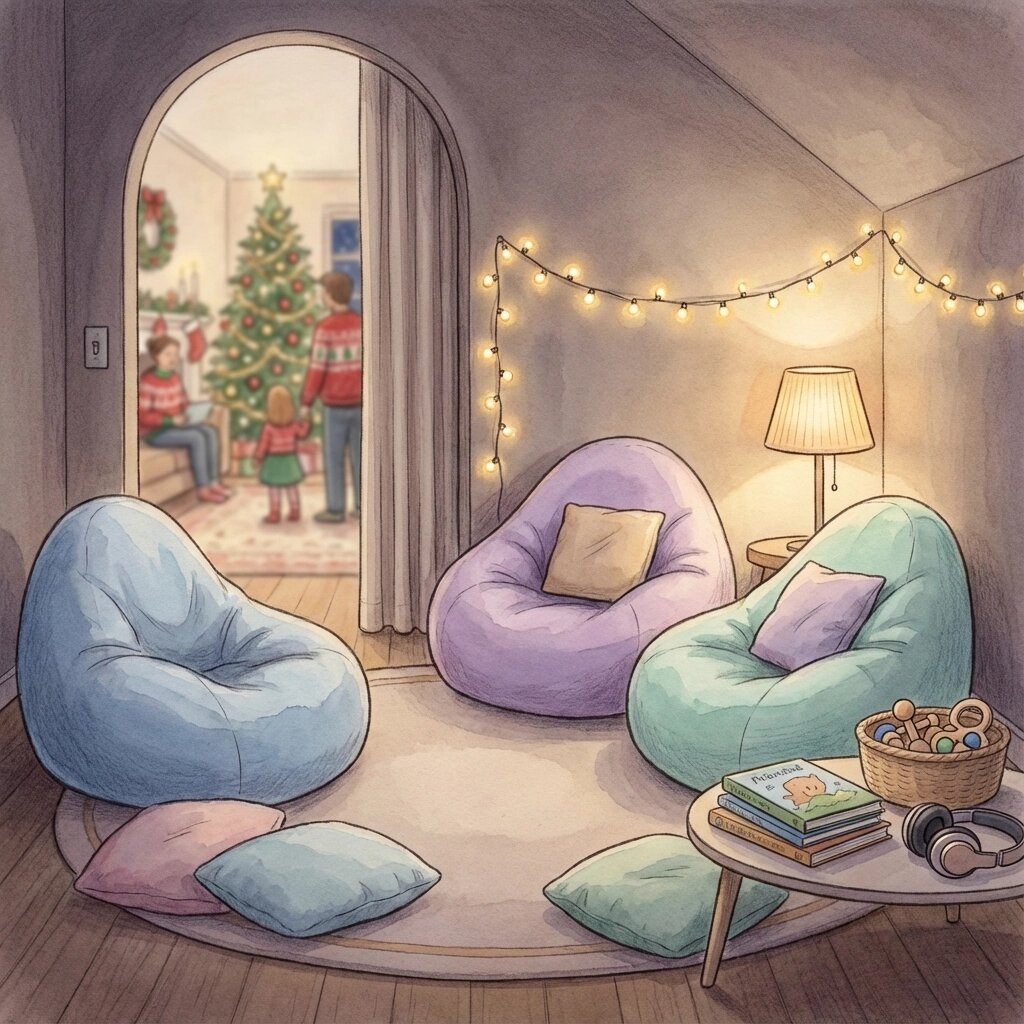
Set up a room with dim lighting, comfortable seating, and calming activities
-
Include noise-canceling headphones, fidget tools, or weighted blankets
-
Make it clear this space is always available without permission needed
Post-celebration recovery:
-
Plan for quiet days after big events
-
Keep the next day’s schedule light and flexible
-
Have comfort activities ready (favorite shows, books, music)
-
Allow for extra sleep and gentle routines
Recognize recovery signals:
-
Increased stimming or fidgeting
-
Difficulty processing information
-
Sensory sensitivities becoming more intense
-
Feeling emotionally overwhelmed
When you notice these signs in yourself or others, it’s time for a break. No questions asked.
Remember: Your Christmas, Your Rules
The most important thing to remember is that there’s no “wrong” way to celebrate Christmas as a neurodivergent person. Maybe your perfect celebration involves staying home in pajamas watching movies. Maybe it’s a quiet dinner with just your immediate family. Maybe it’s creating entirely new traditions that have nothing to do with typical holiday expectations.
Whatever makes you feel safe, comfortable, and genuinely happy – that’s exactly the right way to celebrate.
Your needs matter. Your comfort matters. And your joy matters just as much as anyone else’s. This Christmas, give yourself permission to celebrate in whatever way feels authentic and sustainable for you.
The holidays are supposed to be about connection, gratitude, and joy. When you design your celebration around what actually works for your brain and your needs, you create space for all of those things to happen naturally.
Need more support navigating neurodivergent experiences? ThriveUp Care connects you with providers who truly understand neurodivergent needs – no lengthy explanations required.